






What's Happening?
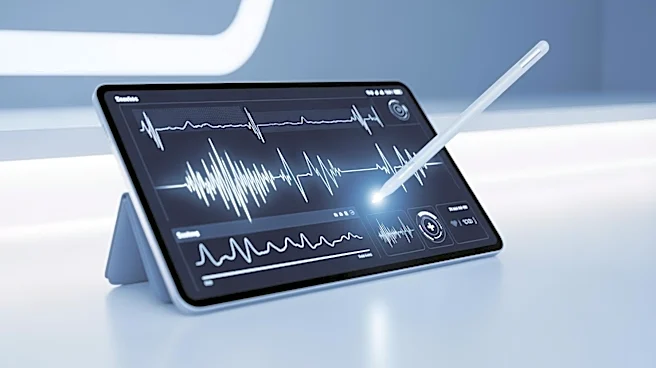
Wearable and embedded sensing technologies are increasingly being integrated into surgical practices, reshaping how surgical teams assess patients and manage recovery. These technologies enable continuous capture of physiological and behavioral data,
enhancing precision and patient safety. The integration of these sensors into surgical workflows allows for real-time monitoring of surgeon ergonomics, postoperative mobility tracking, and early complication detection, redefining modern surgical practices.
Why It's Important?
The adoption of wearable and embedded sensing technologies in surgery represents a significant advancement in medical practices, offering the potential to improve patient outcomes and safety. By providing real-time data and analytics, these technologies enable personalized, data-driven care, enhancing the precision of surgical interventions. This shift could lead to more efficient healthcare delivery, reducing costs and improving the quality of care for patients.
What's Next?
As these technologies continue to evolve, further research and development are expected to expand their applications in surgery. The integration of AI-enhanced data analysis and multimodal sensing could lead to more sophisticated decision-support systems, improving surgical outcomes. Continued innovation in this field may also drive changes in surgical training and education, preparing future surgeons for a technology-driven healthcare environment.