


What's Happening?
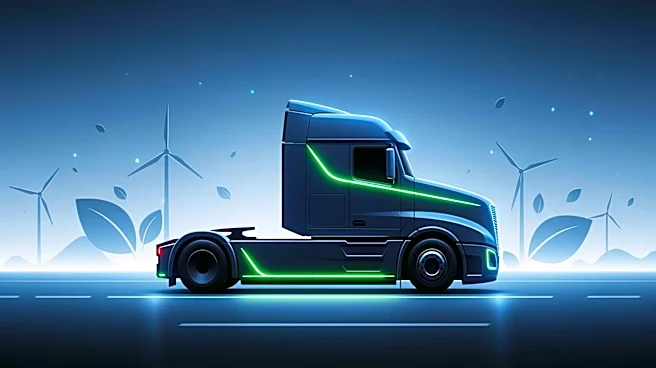
The U.S. trucking industry is witnessing a significant shift towards electric vehicles as companies aim to enhance efficiency and reduce emissions. Mercedes-Benz has opened orders for its eArocs 400 electric construction truck, designed for urban and near-road
construction applications with a range of up to 240 km. This vehicle is part of a broader effort to enable CO2-free operations in demanding environments. Meanwhile, Workhorse Group has secured an order from Purolator for 100 electric step vans, doubling the number of Workhorse vehicles in Purolator's fleet. This move is part of Purolator's commitment to adopting innovative technologies for a more sustainable fleet. Additionally, GLS Canada has deployed Orange EV terminal tractors at its facilities to support decarbonization goals, with each truck expected to eliminate 80 to 90 tons of CO2 compared to diesel models.
Why It's Important?
The transition to electric vehicles in the trucking industry is crucial for reducing carbon emissions and meeting sustainability targets. As transportation is a significant contributor to greenhouse gas emissions, the adoption of electric trucks can play a vital role in mitigating climate change. For companies like Purolator and GLS Canada, integrating electric vehicles aligns with their sustainability commitments and enhances operational efficiency. This shift also reflects a growing trend in the logistics sector towards cleaner technologies, which can lead to long-term cost savings and improved public perception. The move towards electric vehicles is not only environmentally beneficial but also positions companies as leaders in sustainable practices, potentially influencing industry standards and regulations.
What's Next?
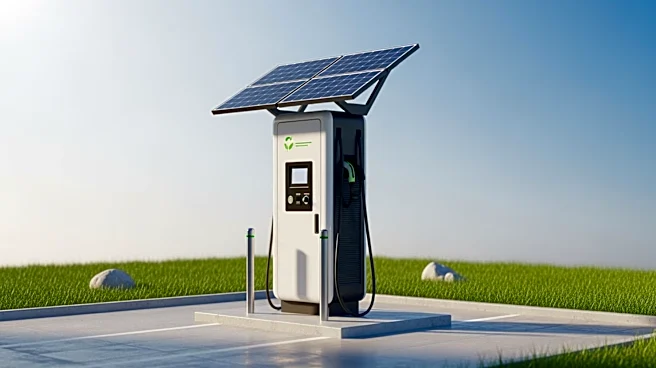
As the adoption of electric vehicles in the trucking industry continues, we can expect further advancements in battery technology and charging infrastructure to support this transition. Companies may increase investments in electric vehicle fleets, driven by regulatory pressures and consumer demand for sustainable practices. The success of these initiatives could encourage other sectors to follow suit, accelerating the shift towards a low-carbon economy. Additionally, collaborations between vehicle manufacturers and logistics companies are likely to expand, fostering innovation and driving down costs. Policymakers may also play a role by providing incentives and support for the development of electric vehicle infrastructure.