



What's Happening?
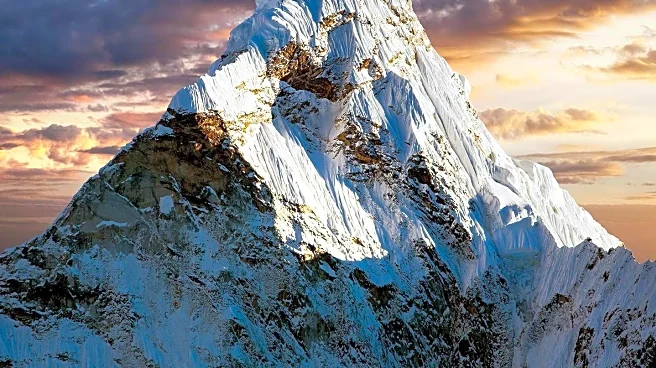
A group of travelers known as 'Highpointers' are on a mission to summit the highest point in each of the 50 U.S. states. This unique travel goal ranges from climbing Mt. McKinley in Alaska, which stands at 20,310 feet above sea level, to reaching Florida's Britton Hill, the lowest state high point at 345 feet. The Highpointers Club, as they are known, is driven by the desire to experience the diverse landscapes and vistas offered by each state's tallest peak. This pursuit not only challenges their physical endurance but also provides a unique perspective on the geographical diversity of the United States.
Why It's Important?
The Highpointers' quest highlights the growing trend of adventure tourism and the increasing interest in exploring natural landscapes. This
movement can have significant economic impacts on local communities, particularly in less-traveled areas that host these high points. By attracting visitors, these regions may see boosts in local businesses such as hotels, restaurants, and outdoor gear shops. Additionally, the Highpointers' activities promote outdoor recreation and physical fitness, encouraging more people to engage with nature and appreciate the country's natural beauty. This can lead to increased awareness and support for conservation efforts.
What's Next?
As the Highpointers continue their journey, they may inspire more individuals to take up similar challenges, potentially leading to the growth of niche travel communities. Local governments and tourism boards might capitalize on this interest by developing infrastructure and marketing strategies to attract more visitors. Additionally, the club's activities could lead to collaborations with environmental organizations to ensure that increased foot traffic does not negatively impact these natural sites. The Highpointers' experiences and stories could also be shared through media and publications, further promoting their mission and the unique landscapes they explore.
Beyond the Headlines
The Highpointers' endeavor raises questions about the balance between promoting tourism and preserving natural environments. As more people are drawn to these high points, there is a risk of environmental degradation if proper measures are not taken. This situation underscores the importance of sustainable tourism practices that protect natural resources while allowing people to enjoy them. Furthermore, the Highpointers' journey can serve as a platform for discussions on public land access and the role of national and state parks in providing recreational opportunities.