





What's Happening?
Formula 1 is set to revise its 2026 engine regulations after receiving feedback from drivers regarding the increased role of hybrid energy systems. The FIA has announced plans to reduce the amount of electrical energy required, starting in 2027. The proposed
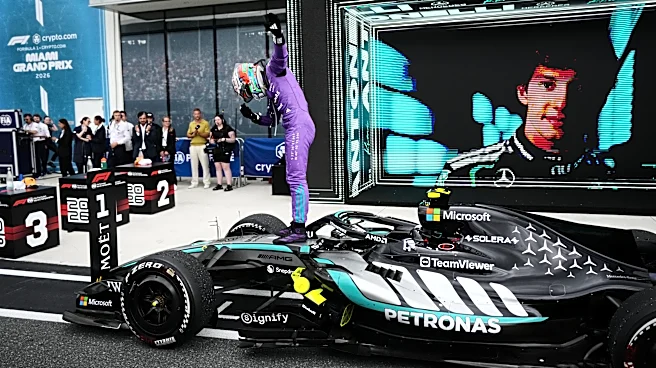
changes were agreed upon in principle during an online meeting with FIA officials, Formula 1 management, team principals, and power unit manufacturers. The revisions aim to increase the internal combustion engine's output by about 50 kW through higher fuel flow while reducing the energy recovery system's deployment by a similar amount. This adjustment seeks to make the cars easier to drive and maintain competitive racing. The recent rule changes introduced at the Miami Grand Prix, which aimed to reduce excessive energy harvesting, have already shown positive results.
Why It's Important?
The revision of the 2026 engine regulations is crucial as it addresses the concerns raised by drivers about the current rules, which require excessive energy management. By adjusting the balance between internal combustion and hybrid systems, the FIA aims to enhance the driving experience and maintain the sport's competitive nature. These changes could lead to more engaging races and potentially increase viewership. The involvement of drivers in the consultation process underscores the importance of their feedback in shaping the regulations. The adjustments also reflect the FIA's responsiveness to stakeholder concerns and its commitment to improving the sport.
What's Next?
Further discussions are required before the 2027 package is finalized. Technical working groups consisting of teams and engine manufacturers will continue to refine the proposal. Once finalized, the changes will be submitted for formal approval through a World Motor Sport Council vote. Teams and manufacturers will need to prepare for these adjustments, which may involve changes in car design and strategy. The ongoing evaluation of the Miami Grand Prix measures will also continue, with potential additional adjustments to be communicated to teams in the future.