






What's Happening?
The U.S. producer price index (PPI), which measures the average change over time in the selling prices received by domestic producers for their output, rose by 0.5% in March 2026. This increase was significantly lower than the anticipated 1.1% rise, according
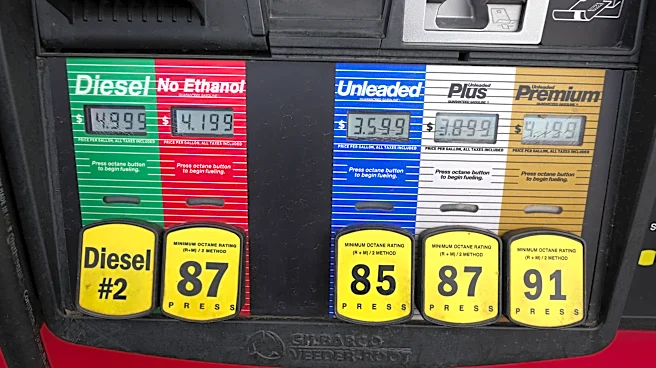
to a report by the Bureau of Labor Statistics. The Iran conflict has been a major factor, driving up energy prices and rekindling inflation fears. Despite the conflict, core PPI, which excludes food and energy, increased by only 0.1%. On an annual basis, the all-items PPI saw a 4% increase, marking the largest 12-month gain since February 2023. Energy prices, particularly gasoline, diesel, and jet fuel, were the primary contributors to the PPI increase. The report suggests that while energy prices have surged, other components such as services costs remained flat, indicating a mixed inflationary impact.
Why It's Important?
The rise in producer prices, although less than expected, highlights the ongoing inflationary pressures in the U.S. economy, primarily driven by external geopolitical factors such as the Iran conflict. The Federal Reserve is closely monitoring these developments as they influence its monetary policy decisions. The lower-than-expected increase in PPI suggests that inflation may not be as severe as initially feared, potentially allowing the Fed to maintain its current interest rate stance. However, the significant rise in energy prices could still pose challenges for businesses and consumers, affecting production costs and consumer spending. The situation underscores the delicate balance the Fed must maintain between controlling inflation and supporting economic growth.
What's Next?
If the ceasefire with Iran holds, energy prices may stabilize, potentially easing inflationary pressures. However, the Federal Reserve will likely remain cautious, keeping a close watch on inflation indicators and global developments. Any escalation in the conflict could lead to further energy price hikes, complicating the Fed's efforts to manage inflation. Businesses and consumers may need to brace for continued volatility in energy prices, which could impact production costs and consumer prices. The Fed's future actions will depend on the evolving geopolitical landscape and its impact on the U.S. economy.