
What's Happening?
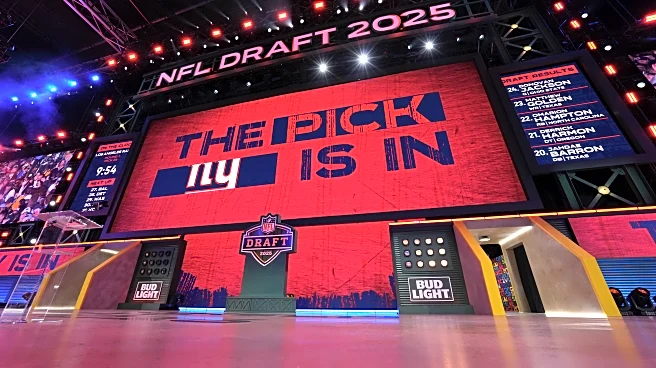
In 2015, the New York Giants selected Ereck Flowers as their ninth overall pick in the NFL draft, a decision that has been revisited with some regret. At the time, the Giants had the opportunity to select Todd Gurley, a running back who went on to have
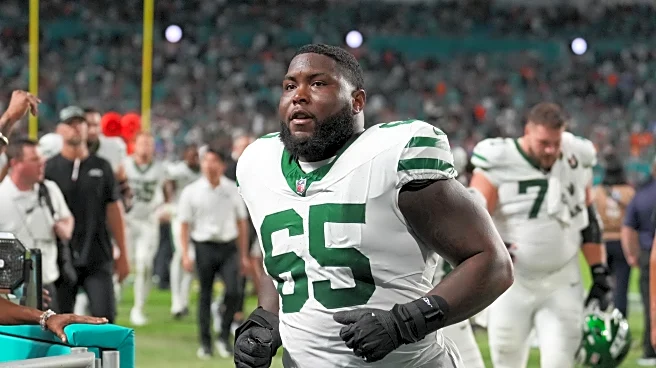
a successful career with the St. Louis/Los Angeles Rams. Gurley, known for his dual-threat capabilities as a runner and receiver, led the NFL in yards from scrimmage in 2017 and was a two-time leader in rushing touchdowns. Despite these achievements, the Giants opted for Flowers, a left tackle from Miami, who faced criticism for his performance during his tenure with the team. Flowers started 48 of 51 games for the Giants before moving on to other teams, including the Jacksonville Jaguars and Miami Dolphins.
Why It's Important?
The decision to draft Ereck Flowers over Todd Gurley highlights the long-term impact of draft choices on a team's success. Gurley's career achievements, including leading the league in rushing touchdowns and yards from scrimmage, underscore what the Giants potentially missed out on. This decision is a reminder of the importance of strategic drafting in the NFL, where selecting the right player can significantly influence a team's performance and future prospects. The Giants' choice reflects the challenges teams face in balancing immediate needs with long-term potential, a critical aspect of team management and success in professional sports.
What's Next?
While the decision from 2015 cannot be changed, it serves as a learning point for the Giants and other NFL teams in future drafts. The Giants will continue to evaluate their draft strategies to avoid similar oversights. As the team looks to build a competitive roster, they may focus on strengthening their scouting and decision-making processes to ensure they capitalize on high-potential talent. This could involve investing in analytics and player development to better assess prospects' potential impact on the field.
Beyond the Headlines
The Giants' draft decision also reflects broader themes in sports management, such as the evaluation of player potential and the risks associated with draft picks. It highlights the unpredictable nature of player development and the factors that contribute to a player's success or failure in the league. This case may prompt discussions on how teams can better predict player performance and the role of coaching and team environment in maximizing a player's abilities.