





What's Happening?
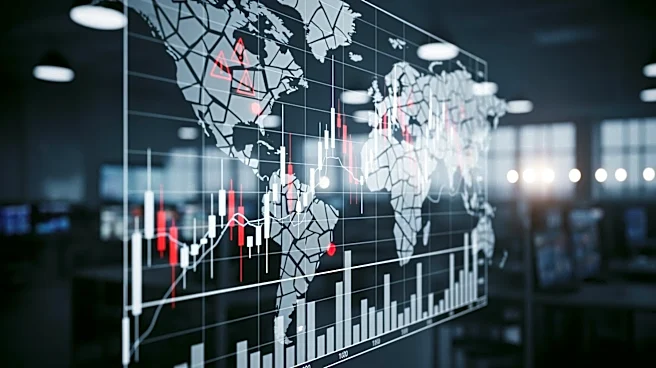
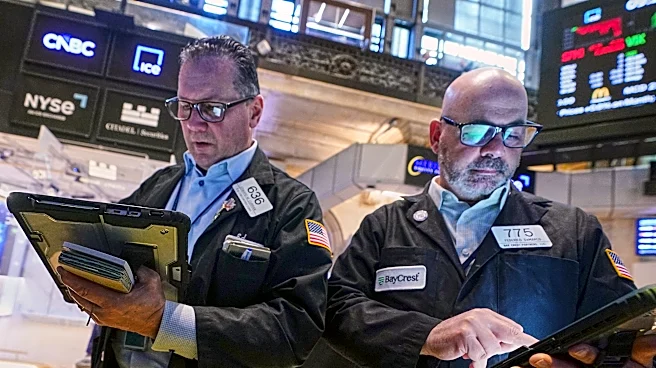
Wall Street is increasingly incorporating military conflict predictions into its risk assessment models. Financial institutions, including banks and insurers, are adapting methodologies traditionally used for natural catastrophes to forecast wars. This
shift is driven by the rising number of countries involved in external conflicts, which has nearly doubled since 2008, and the significant economic impact of violence, estimated at $22 trillion. Verisk Maplecroft, a global risk consultancy, has developed a Predictive War Index using machine learning to forecast the likelihood of war in various countries. This model, trained on data from 1995 to 2022, aims to provide a forward-looking view rather than relying on historical data. Additionally, Verisk's Geopolitical Relations Index tracks tensions between countries, considering factors like past military clashes and government similarities. These models are part of a broader trend where financial professionals seek to integrate predictive views of geopolitical risks into their strategies.
Why It's Important?
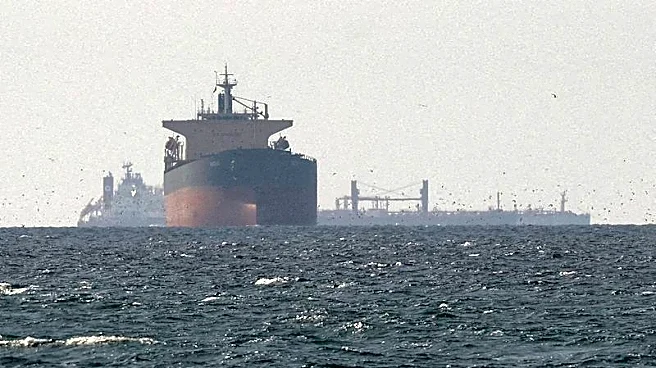
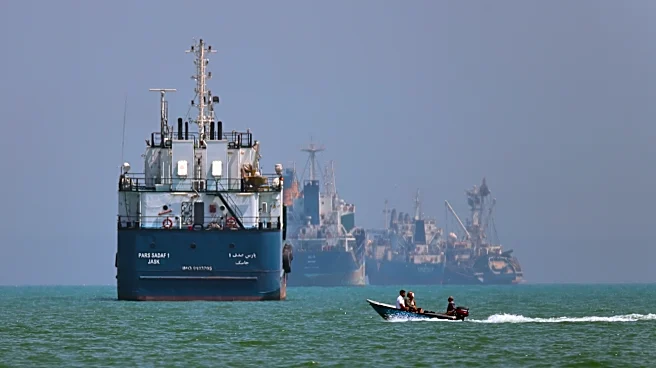
The integration of war prediction models into financial risk assessments marks a significant shift in how Wall Street approaches geopolitical risks. This development is crucial as traditional models based on historical data are increasingly seen as inadequate in the face of unpredictable geopolitical events. The ability to predict conflicts can help financial institutions better manage risks associated with global trade, oil prices, and insurance premiums. For instance, the recent conflict in the Strait of Hormuz has highlighted vulnerabilities in global shipping routes, prompting insurers to adjust their risk algorithms. By adopting these new models, financial professionals can make more informed decisions, potentially mitigating economic losses from unforeseen geopolitical events. This shift also reflects a broader recognition of the need for adaptive strategies in a world where geopolitical volatility is accelerating.
What's Next?
As these new catastrophe models gain traction, financial institutions are likely to further integrate them into their risk management frameworks. This could lead to more dynamic pricing of insurance premiums and adjustments in investment strategies based on predicted geopolitical risks. Additionally, policymakers and businesses may increasingly rely on these models to inform their decisions, potentially influencing diplomatic strategies and international relations. The ongoing development of these models will likely focus on improving accuracy and expanding their applicability to various geopolitical scenarios. As geopolitical tensions continue to rise globally, the demand for such predictive tools is expected to grow, prompting further innovation in risk assessment methodologies.