





What's Happening?
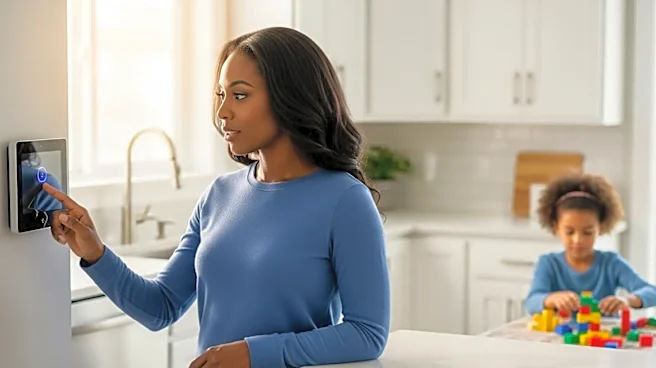
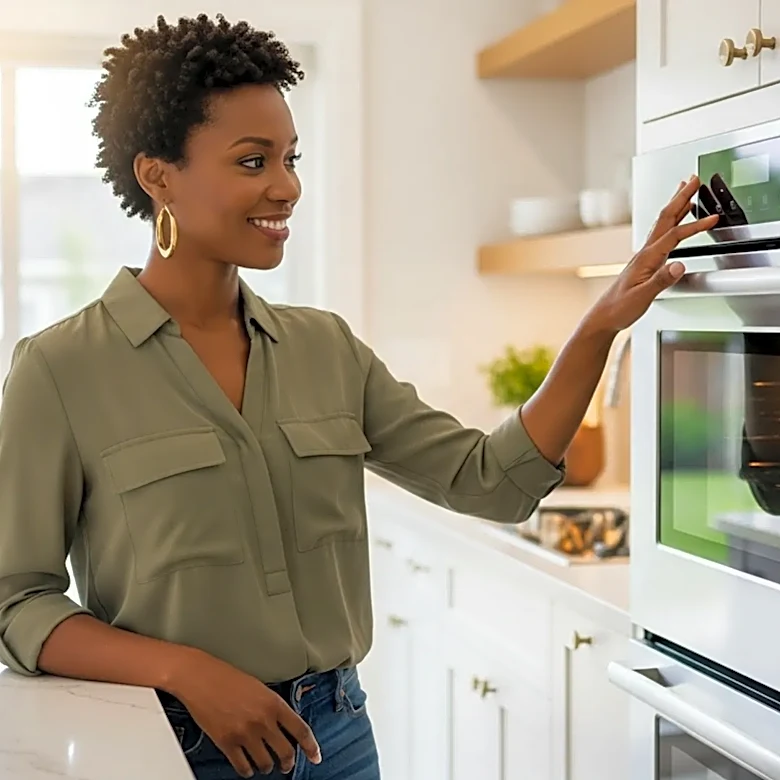
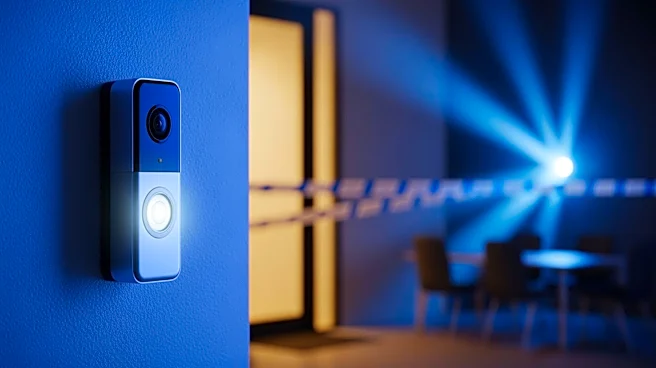
Smart home technology is increasingly accessible to renters, offering a range of portable and affordable devices that do not require permanent installation. These technologies include smart plugs, smart speakers, smart bulbs, air quality monitors, and security
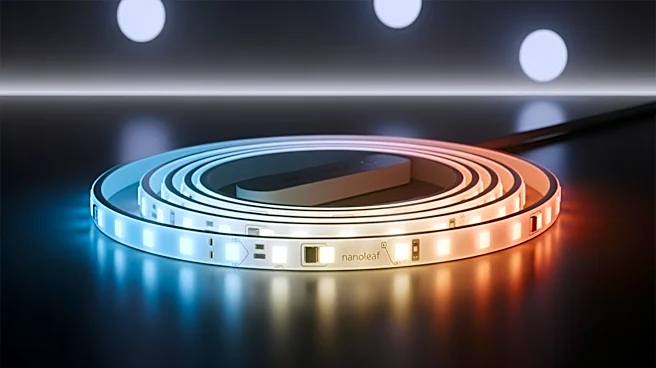
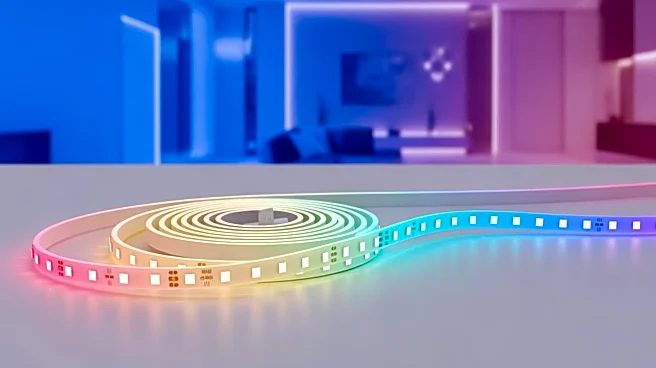
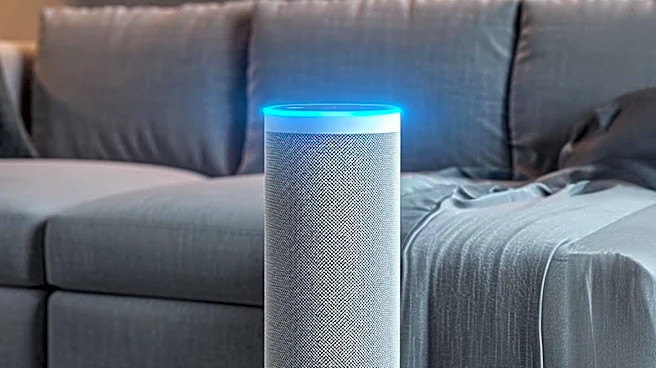
systems. Smart plugs, for instance, can automate devices without causing permanent changes to rental properties. Smart speakers like Amazon Echo and Apple HomePod provide voice assistant capabilities and can connect to other smart devices. Smart bulbs offer mood lighting and can be controlled via apps. Air quality monitors help renters keep track of indoor air conditions, while compact security systems like those from Arlo and Ikea provide safety without extensive setup. These devices are designed to be easily moved, making them ideal for renters who may relocate frequently.
Why It's Important?
The availability of smart home technology for renters represents a significant shift in how technology can be integrated into temporary living spaces. This development allows renters to enjoy the benefits of smart home automation without violating lease agreements or investing in permanent installations. The affordability and portability of these devices mean that renters can enhance their living environments with minimal financial risk. This trend also reflects a broader movement towards more flexible and user-friendly technology solutions that cater to a mobile and transient population. As more people choose to rent rather than own homes, the demand for such adaptable technology is likely to grow, influencing the market for smart home devices.
What's Next?
As the market for smart home technology continues to expand, manufacturers are likely to develop even more renter-friendly products. This could include further innovations in wireless technology and battery-operated devices that do not require any installation. Additionally, as smart home ecosystems become more integrated, renters may benefit from increased compatibility between different brands and devices, allowing for a more seamless user experience. The trend towards smart home technology for renters may also encourage landlords to consider offering smart home features as part of their rental properties, potentially increasing property value and tenant satisfaction.