
What's Happening?
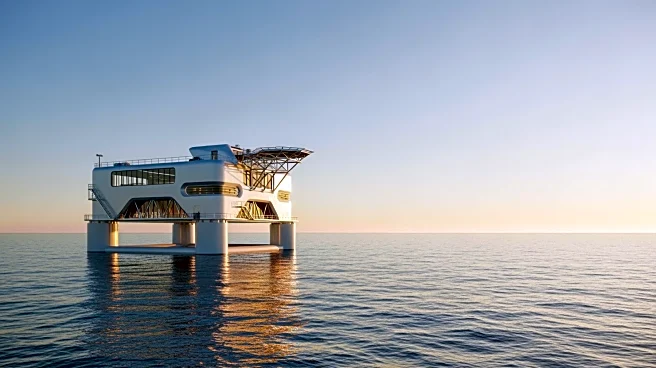
Revolution Wind, a 704MW offshore wind energy project, has commenced delivering electricity to New England's grid as of March 14. This project, a joint venture between Global Infrastructure Partners’ Skyborn Renewables and Ørsted, is set to provide power
to over 350,000 homes and businesses. The energy will be supplied under fixed-price, 20-year agreements with utilities in Rhode Island and Connecticut. Revolution Wind is expected to generate energy throughout the year, with peak output during winter months when energy demand is high. The project has already supported over 2,000 workers, including more than 1,000 local union laborers, and is part of Ørsted's broader investment in U.S. offshore projects, which includes nearly $700 million in domestic shipbuilding and vessel contracts.
Why It's Important?
The launch of Revolution Wind is significant for New England's energy landscape, as it addresses the region's growing electricity demand and enhances grid reliability, particularly during winter when energy supplies are often constrained. The project is projected to save New England ratepayers up to $500 million annually in wholesale energy costs. By utilizing local labor and resources, it also strengthens regional energy security and supports economic growth. The initiative reflects a broader shift towards renewable energy sources, reducing reliance on fossil fuels and contributing to environmental sustainability. This development is crucial for energy-intensive industries in the region, such as manufacturing and data centers, which require stable and affordable energy supplies.
What's Next?
As Revolution Wind reaches full commercial operations, stakeholders will likely monitor its impact on energy prices and grid stability. The project's success could encourage further investment in offshore wind energy in the U.S., potentially influencing energy policy and infrastructure development. Local governments and utility companies may explore additional renewable energy projects to meet future demand and sustainability goals. The collaboration between states, labor unions, and private companies in this project could serve as a model for future energy initiatives, promoting job creation and economic development in the renewable energy sector.