




What's Happening?
LiveStay, formerly known as Veriu Group, has announced a rebranding initiative that unifies its 90 sites and 5,950 keys under a single platform. This move integrates the Veriu Hotels Suites, Punthill, and UKO brands, offering a mix of short, medium, and long-term
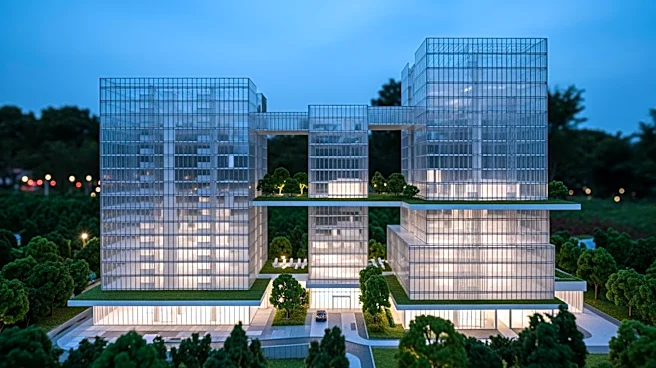
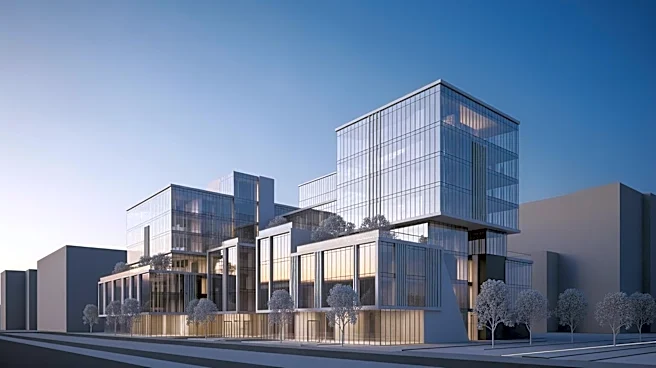
living options. The rebranding reflects a growing trend in the hospitality industry where the lines between hotel, aparthotel, and residential categories are increasingly blurred. This hybrid model is designed to cater to diverse demand streams, providing resilience and flexibility in the hospitality sector. The first integrated development is scheduled to open in Adelaide, Australia, in 2028, featuring amenities such as conference spaces, communal areas, and parking.
Why It's Important?
The introduction of hybrid living models by LiveStay signifies a significant shift in the hospitality industry, responding to evolving consumer demands for more flexible living arrangements. This model not only caters to short-term travelers but also accommodates long-term residents, offering a comprehensive solution that could redefine traditional hospitality offerings. The approach is particularly relevant in the current market, where the demand for adaptable living spaces is on the rise. By integrating various living options, LiveStay positions itself to capture a broader market segment, potentially increasing occupancy rates and revenue streams. This strategy could influence other hospitality operators to adopt similar models, driving innovation and competition in the industry.
What's Next?
As LiveStay prepares to launch its first integrated development in 2028, the hospitality industry will likely monitor its progress closely. The success of this model could prompt other operators to explore similar hybrid living solutions, potentially leading to a wave of rebranding and restructuring within the sector. Stakeholders, including investors and developers, may also consider the implications of such models on property values and investment strategies. Additionally, the integration of amenities like conference spaces and communal areas could attract business travelers and remote workers, further expanding the potential customer base.
Beyond the Headlines
The shift towards hybrid living models raises questions about the future of urban development and zoning regulations. As more operators adopt these models, cities may need to reconsider zoning laws to accommodate mixed-use developments. This could lead to a reevaluation of urban planning strategies, emphasizing the need for flexible and sustainable living solutions. Furthermore, the integration of long-term and short-term living options could impact local communities, influencing housing markets and potentially leading to gentrification in certain areas.