
What's Happening?
The global smart farming and agriculture IoT market is expected to grow significantly, reaching USD 102.2 billion by 2035, according to MarketGenics Global Research. This growth is driven by the increasing
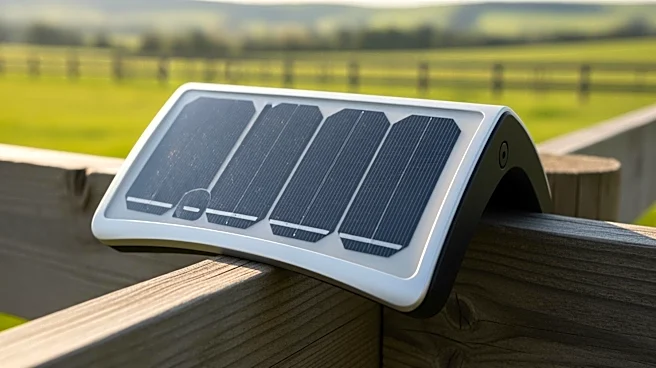
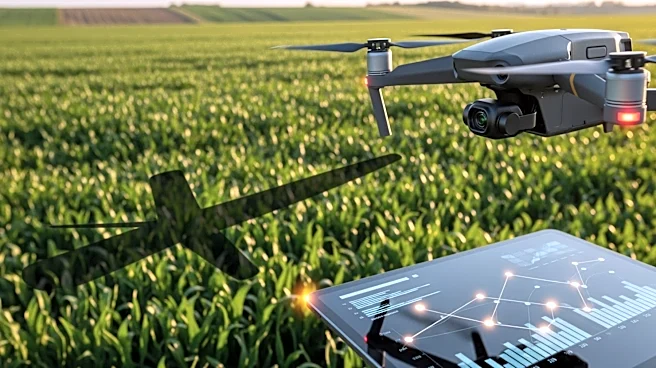
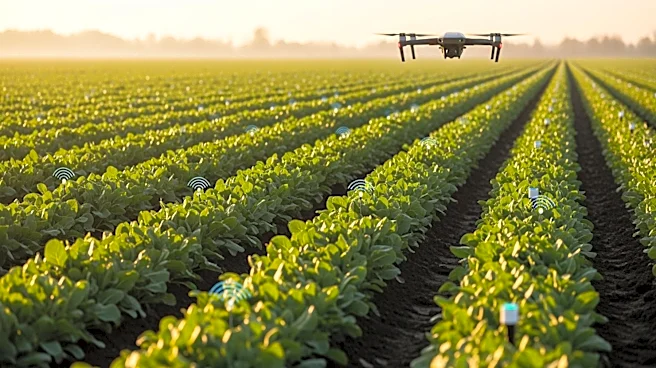
adoption of connected farming systems and the demand for real-time data analytics to improve crop productivity and resource optimization. The integration of IoT sensors, AI-driven analytics, and GPS-enabled machinery is enhancing operational efficiency and reducing input waste, thereby improving yield outcomes. North America is anticipated to maintain a dominant position in the market due to its advanced technological infrastructure and strong investment in IoT solutions.
Why It's Important?
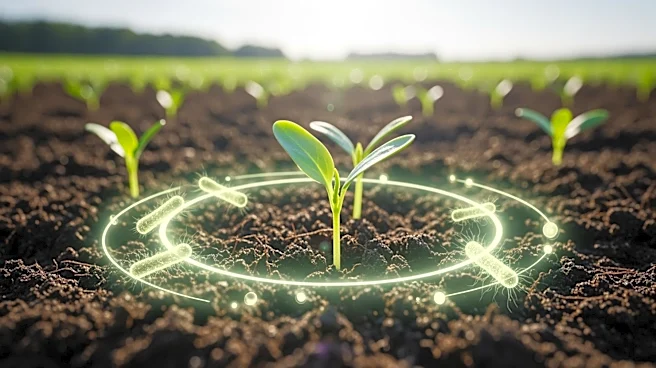
The expansion of the smart farming and agriculture IoT market is crucial for modernizing agricultural practices, making them more efficient and sustainable. By leveraging precision farming technologies, farmers can monitor soil, weather, and crop health in real-time, leading to better decision-making and resource utilization. This technological shift is particularly significant for North America, where large-scale commercial farms and supportive government initiatives are driving market growth. The adoption of these technologies not only enhances productivity but also addresses labor constraints and environmental challenges, positioning the agriculture sector for long-term sustainability.
What's Next?
As the market continues to grow, further integration of IoT, AI, robotics, and cloud platforms is expected to redefine agricultural productivity. Companies that develop interoperable ecosystems combining hardware, software, and analytics will likely lead the market. Additionally, ongoing government support through subsidies and grants will encourage the adoption of smart farming technologies. The focus will be on overcoming high initial investment costs and technical barriers to increase adoption among small and medium-scale farmers.