
What's Happening?
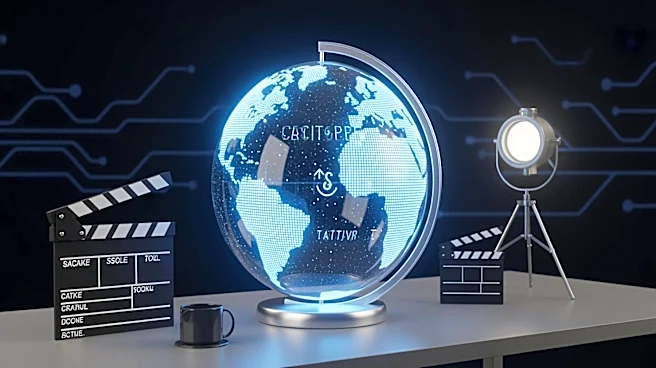
Casting directors are increasingly utilizing global searches and digital tools to find talent for film and television projects. Carla Hool, a veteran casting director, exemplifies this trend with her work
on Alejandro Monteverde's biblical epic 'Zero A.D.', where she scoured the globe to cast Deva Cassel as the Virgin Mary. The shift from in-person auditions to electronic casting resources and self-tape auditions has become prevalent, allowing directors to access a wider pool of talent. This approach is not only about finding the right fit for roles but also ensuring authenticity and representation, particularly in projects involving diverse cultural backgrounds. The use of technology has removed geographical barriers, enabling actors from various locations to audition for roles without needing to be physically present in major entertainment hubs like New York or Los Angeles.
Why It's Important?
The adoption of global casting practices and digital tools is reshaping the entertainment industry by democratizing access to opportunities for actors worldwide. This shift allows for more culturally and ethnically accurate storytelling, which is increasingly demanded by international audiences. The ability to conduct auditions remotely broadens the talent pool and can lead to more diverse and inclusive casting choices. For the industry, this means a potential increase in the quality and authenticity of productions, which can attract a wider audience and enhance cultural representation. Additionally, it offers logistical and financial benefits by reducing the need for travel and in-person casting sessions, making the casting process more efficient and cost-effective.
What's Next?
As the trend of global casting continues, it is likely that more productions will adopt these practices, further integrating technology into the casting process. This could lead to a standardization of digital auditions and a greater reliance on international talent. Casting directors may increasingly collaborate with local experts in various regions to tap into specific cultural and linguistic nuances. The industry might also see a rise in co-productions and projects that cater to global audiences, leveraging the diverse talent pool available through these new casting methods. The ongoing evolution of casting practices will likely influence how stories are told and who gets to tell them, potentially leading to a more inclusive and representative entertainment landscape.
Beyond the Headlines
The move towards global casting and digital auditions raises questions about the future of traditional casting methods and the role of in-person interactions in the creative process. While technology offers convenience and access, some industry professionals express concerns about the loss of personal connection and the nuances that can be captured in face-to-face auditions. There is also the potential for ethical considerations regarding data privacy and the digital divide, as not all actors may have equal access to the necessary technology. As the industry navigates these changes, it will need to balance the benefits of technological advancements with the preservation of artistic integrity and equitable access for all performers.