

What's Happening?
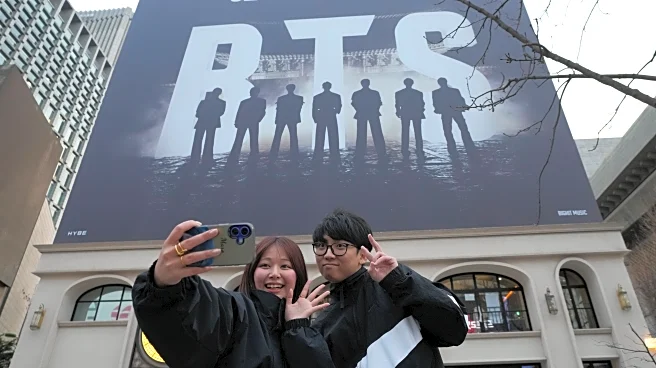
Seoul is enhancing security measures ahead of BTS's highly anticipated comeback concert scheduled for Saturday. Authorities have raised the terror alert to the second-lowest level on a four-step scale, deploying thousands of police officers to ensure
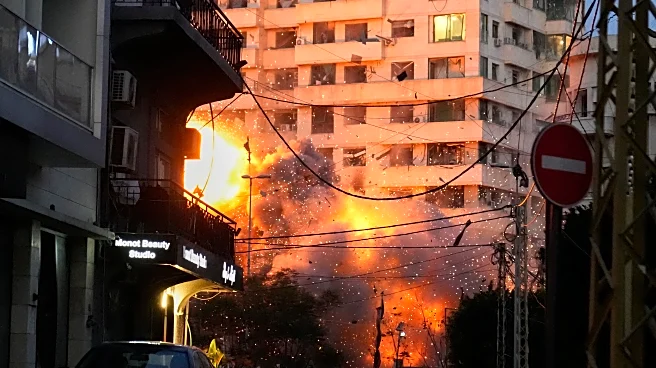
safety. The concert, expected to draw over 260,000 fans, will take place at Gwanghwamun Square, in front of the historic Gyeongbokgung Palace. This event marks BTS's first performance as a complete group since October 2022, following the completion of their mandatory military service. The concert will also be streamed live on Netflix to over 190 countries. The heightened security comes amid global tensions, including the Middle East crisis, and the proximity of the U.S. embassy to the concert venue. The city has planned additional cultural events, including a BTS-themed light show and installations, to coincide with the concert.
Why It's Important?
The BTS concert is a significant cultural event, highlighting South Korea's global influence in the entertainment industry. The large-scale security operation underscores the importance of ensuring public safety at major events, especially in light of past incidents like the 2022 Itaewon crowd crush. The concert also serves as a platform to showcase South Korea's organizational capabilities and cultural diplomacy. The event's success could enhance the country's international reputation and boost its cultural tourism sector. Additionally, the concert's global streaming on Netflix reflects the increasing integration of digital platforms in live entertainment, potentially setting a precedent for future events.
What's Next?
Following the concert, BTS is set to embark on a world tour covering 34 cities and 82 shows across five continents. This tour will further solidify their global presence and influence. The success of the concert and subsequent tour could lead to increased international collaborations and opportunities for South Korean artists. The security measures implemented for the concert may also influence future event planning and safety protocols in South Korea and beyond.