



What's Happening?
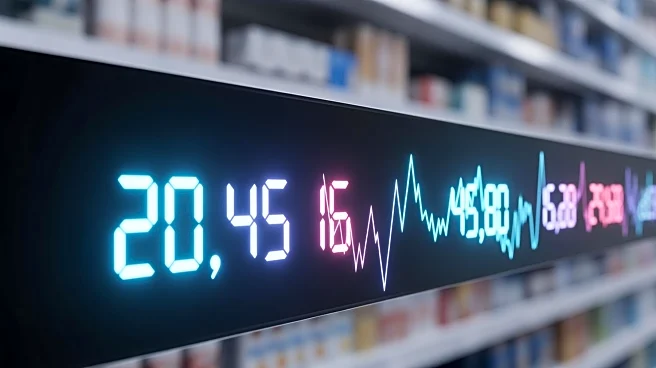
Old Navy has implemented a dynamic pricing model that changes the prices of items in real-time, challenging traditional shopping habits. This approach allows prices to fluctuate based on consumer behavior and market conditions, rather than relying solely
on clearance sales or promotional days. The National Retail Federation notes that this digital pricing strategy can lead to lower prices during off-peak periods and more tailored discounts. Consumers are experiencing difficulties with comparison shopping due to the lack of consistent pricing, as prices can vary minute by minute or day by day. This shift in pricing strategy is part of a broader trend in the retail industry, where digital price tags are becoming more common, affecting everyday purchases.
Why It's Important?
The adoption of dynamic pricing in retail signifies a major shift in how consumers interact with pricing and shopping. This model can benefit consumers who are willing to wait for price drops, but it also poses challenges for those who are less tech-savvy or prefer in-store shopping. The fluctuating prices can create a disadvantage for consumers who do not have the resources or knowledge to navigate these changes effectively. Retailers benefit from this model by optimizing inventory management and potentially increasing sales during off-peak periods. However, it raises concerns about transparency and fairness in pricing, as consumers may feel uncertain about when to make purchases.
What's Next?
As dynamic pricing becomes more prevalent, consumers may need to adapt by becoming more informed and strategic in their shopping habits. Retailers might continue to refine their pricing strategies to balance consumer satisfaction with profitability. There could be increased demand for tools and apps that help consumers track price changes and find the best deals. Additionally, there may be discussions around regulatory measures to ensure fair pricing practices and protect consumers from potential price gouging.
Beyond the Headlines
The shift to dynamic pricing could have broader implications for consumer trust and brand loyalty. As prices become less predictable, consumers may feel less confident in their purchasing decisions, potentially impacting their relationship with brands. This pricing model also highlights the growing influence of data analytics in retail, as companies leverage consumer data to make real-time pricing decisions. Ethical considerations may arise regarding the use of consumer data and the transparency of pricing algorithms.