



What's Happening?
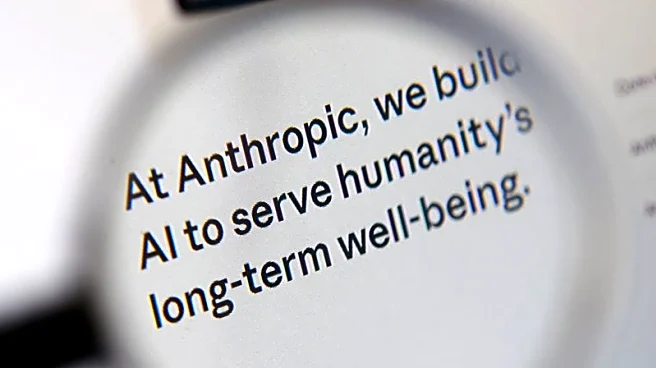
OpenAI has come under scrutiny from its own employees following a controversial contract with the Pentagon. The deal, which involves using OpenAI's AI models in classified systems, was finalized after Anthropic, another AI firm, rejected a similar contract due
to concerns over the use of AI in mass surveillance and autonomous weapons. The Pentagon subsequently blacklisted Anthropic, labeling it a supply chain risk. OpenAI's CEO, Sam Altman, initially expressed agreement with Anthropic's stance but later secured a separate deal with the Pentagon. This move has sparked criticism both internally and externally, with questions raised about the effectiveness of the safeguards against misuse of AI technology. OpenAI employees have expressed frustration over the perceived opportunism and lack of clear communication regarding the contract's terms.
Why It's Important?
The controversy surrounding OpenAI's Pentagon contract highlights significant ethical and operational challenges in the deployment of AI technologies in military contexts. The internal dissent at OpenAI underscores the tension between advancing AI capabilities and adhering to ethical standards, particularly in sensitive areas like surveillance and autonomous weaponry. This situation also reflects broader industry concerns about the role of AI in national security and the responsibilities of tech companies in ensuring their technologies are not misused. The outcome of this controversy could influence future collaborations between tech firms and government agencies, potentially setting precedents for how AI is integrated into defense strategies.
What's Next?
Moving forward, OpenAI may need to address internal and external criticisms by clarifying the safeguards in its Pentagon contract and ensuring transparent communication with stakeholders. The company might also face pressure to advocate for the removal of Anthropic's supply chain risk designation, as suggested by Altman. Additionally, the broader AI industry will likely monitor this situation closely, as it could impact future government contracts and the ethical frameworks governing AI deployment in military applications. OpenAI's handling of this issue could influence its reputation and relationships with both employees and external partners.