
What's Happening?
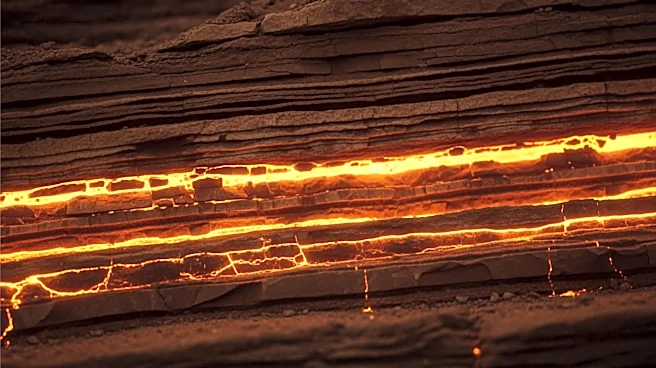
Geological Thermal Energy Storage (GeoTES) is emerging as a promising technology for large-scale, long-duration energy storage in the United States. GeoTES stores thermal energy in geological formations,
which can later be converted into electricity or used directly for heating and cooling applications. This technology is particularly relevant as the U.S. energy landscape evolves, with increasing reliance on renewable energy sources like solar and wind, which require effective storage solutions to manage supply and demand imbalances. GeoTES leverages existing expertise from the geothermal and oil and gas industries, offering a cost-effective and scalable solution for energy storage. Recent studies have identified suitable formations in California and Texas, with the potential to store multiple terawatt-hours of energy, highlighting the transformative potential of GeoTES for the U.S. energy system.
Why It's Important?
The development of GeoTES is significant for the U.S. energy sector as it addresses the critical need for long-duration energy storage solutions. As the country transitions to renewable energy sources, managing the variability in energy supply and demand becomes crucial. GeoTES offers a reliable and cost-effective method to store energy, reducing reliance on fossil fuels and enhancing grid stability. This technology could lead to significant cost savings by reducing electricity prices during peak demand periods and minimizing the need for low-capacity factor peaking plants. Additionally, GeoTES supports the U.S. goal of reducing carbon emissions by providing a sustainable energy storage solution that can integrate with existing infrastructure.
What's Next?
The next steps for GeoTES involve further site-specific assessments to determine the suitability and storage capacity of potential reservoirs across the U.S. Detailed characterization of subsurface formations is necessary to optimize the technology's deployment and maximize its benefits. As the technology matures, it is expected to attract investment and interest from both the public and private sectors, potentially leading to pilot projects and commercial-scale implementations. The success of GeoTES could pave the way for broader adoption of underground thermal energy storage technologies, contributing to a more resilient and sustainable energy system.
Beyond the Headlines
GeoTES not only offers a solution for energy storage but also represents a shift towards utilizing subsurface resources in innovative ways. This technology could lead to new economic opportunities in regions with suitable geological formations, potentially revitalizing local economies. Moreover, GeoTES aligns with broader environmental goals by reducing dependency on natural gas and minimizing the environmental impact of energy production. As the technology develops, it may also influence regulatory frameworks and policies related to energy storage and renewable energy integration.