

What's Happening?
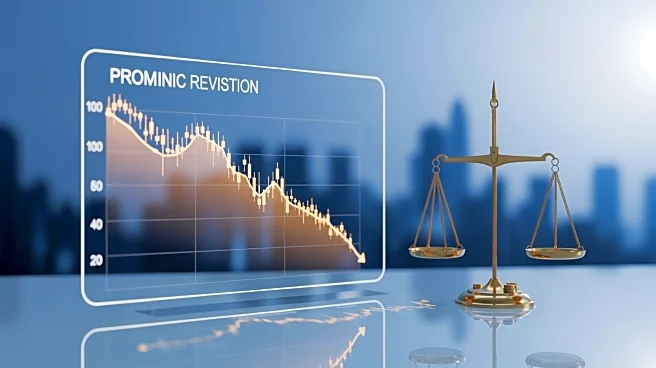
The U.S. economy is experiencing a K-shaped recovery, where economic outcomes diverge significantly between higher and lower earners. Higher-income individuals are increasing their spending on luxury items and travel, while lower-income earners are cutting
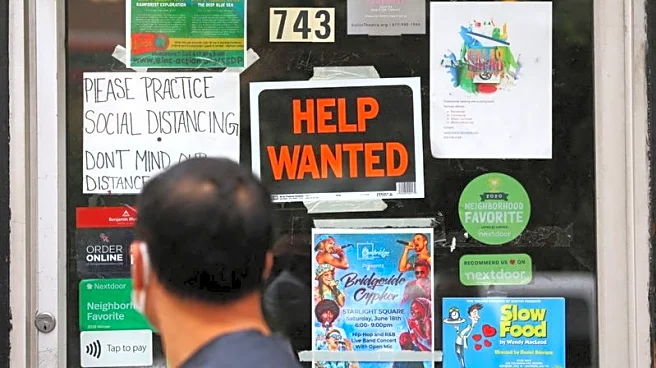
back on essentials like groceries and are concerned about rising credit card debt. This economic pattern has been exacerbated by the COVID-19 pandemic and continues to affect various sectors, including employment and consumer spending. Recent data from the Federal Reserve Bank of New York indicates a rise in credit card debt, with lower-income Americans feeling the strain more acutely. The wage growth that once favored lower earners during the Great Resignation has now shifted, with higher earners seeing more significant increases.
Why It's Important?
The persistence of a K-shaped economy highlights growing economic inequality in the U.S., which could have long-term implications for social stability and economic growth. As higher earners continue to thrive, they drive demand in luxury markets, while lower earners face financial stress, potentially leading to increased reliance on credit and reduced consumer spending. This divide could influence public policy, prompting discussions on wage growth, taxation, and social welfare programs. Companies are also taking note, as consumer behavior shifts could impact business strategies and market dynamics.
What's Next?
If the current economic trends continue, there may be increased pressure on policymakers to address income inequality through legislative measures. Businesses might need to adapt to changing consumer behaviors by offering more affordable products or services. Additionally, the financial sector could see increased scrutiny regarding credit practices and support for lower-income individuals. The ongoing economic divide may also influence upcoming elections, as voters prioritize economic issues.