
What's Happening?
The retail industry is undergoing a significant transformation as growth becomes increasingly concentrated in digital channels, according to a report by Euromonitor International. The report highlights
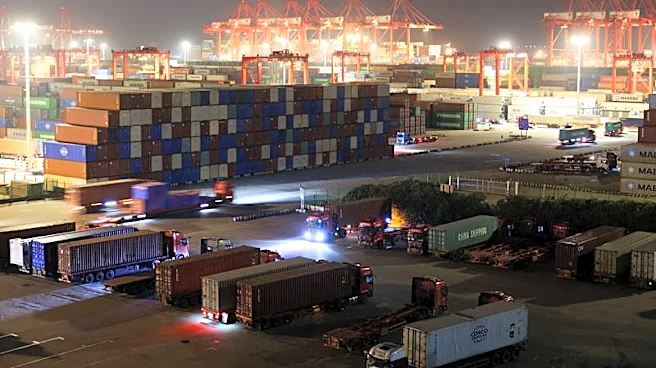
that global retail growth slowed to just 2% in real terms in 2025, with e-commerce accounting for approximately 80% of this expansion. This shift is leading to a 'control economy' where competition focuses on pricing, visibility, and consumer decision-making. Geopolitical tensions and regulatory changes, such as the repeal of the U.S. de minimis exemption, are reshaping retail operations and intensifying supply chain instability. These factors are causing direct cost increases, including war-risk surcharges and extended delivery times. Companies are responding by diversifying sourcing and improving efficiency models, but traditional globalization strategies are under pressure. Consumer behavior is also shifting towards sustained cost-cutting, with 47% of global consumers planning to save money over the next year.
Why It's Important?
The shift towards a 'control economy' in retail has significant implications for the industry. As digital channels dominate growth, retailers must adapt to new competitive dynamics that prioritize control over pricing and consumer choices. This transformation is driven by geopolitical and regulatory pressures that are increasing operational costs and complicating supply chains. Retailers that fail to secure influence in these areas risk long-term decline. The growing influence of artificial intelligence (AI) in shaping consumer discovery and decision-making further complicates the landscape. AI-driven referrals to e-commerce platforms have surged, indicating a shift in how consumers interact with retail offerings. Retailers must navigate these changes to remain discoverable and profitable in an increasingly complex ecosystem.
What's Next?
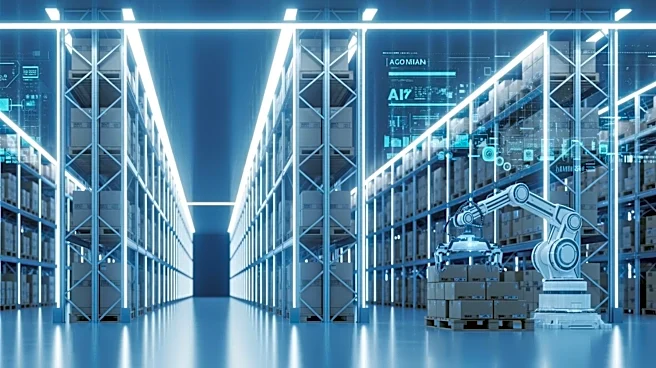
Retailers are expected to continue investing in AI and digital platforms to maintain competitiveness. Nearly 50% of firms report that AI already affects their business, with 42% planning to increase AI investment. This includes deploying AI for pricing automation, inventory management, and customer targeting. The challenge for retail leaders is to remain discoverable and preferred in systems they do not fully control. Companies will need to strategically choose where to compete on price and where to differentiate their offerings. The success of retailers will depend on their ability to adapt to these new dynamics and leverage AI to enhance visibility and consumer engagement.
Beyond the Headlines
The rise of AI in retail not only affects operational efficiency but also raises ethical and cultural questions about consumer autonomy and privacy. As AI systems increasingly mediate product visibility and discovery, there is a growing concern about the transparency and fairness of these algorithms. Retailers must address these issues to build trust with consumers and ensure ethical use of AI technologies. Additionally, the shift towards digital channels may exacerbate inequalities in access to retail opportunities, as smaller businesses struggle to compete with larger, AI-driven platforms.