





What's Happening?
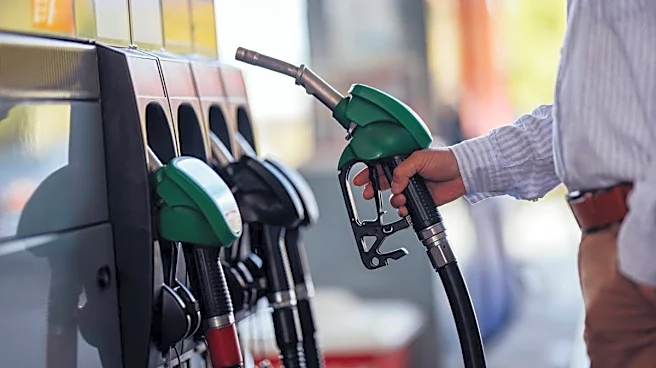
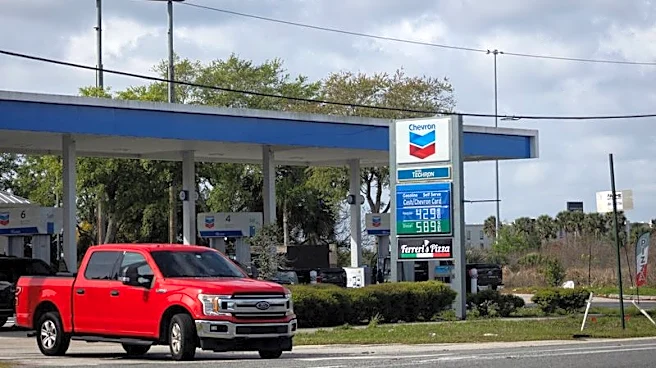
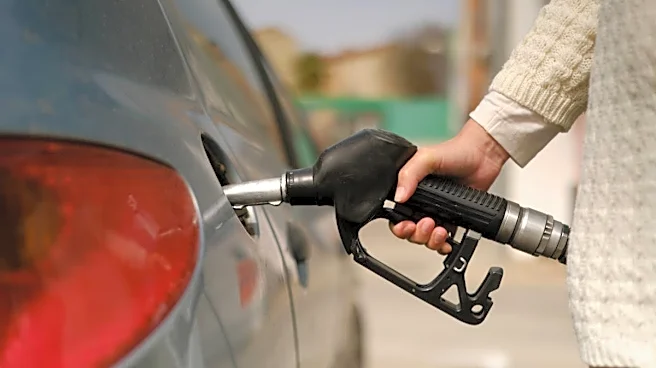
As gas prices continue to rise due to the ongoing conflict in Iran, consumers are increasingly turning to Costco and Walmart for cheaper fuel options. Both companies have reported record sales at their gas stations, with Costco experiencing unprecedented
demand between April and mid-May. Consumers are making more frequent trips to fill up, often purchasing smaller amounts of fuel due to budget constraints. This trend is particularly evident among lower-income consumers, who are more price-sensitive and seeking value. The average price of regular gas in the U.S. has reached $4.39 per gallon, significantly impacting household budgets and prompting changes in consumer behavior.
Why It's Important?
The rising gas prices have a broad impact on the U.S. economy, affecting consumer spending and potentially leading to inflationary pressures. As consumers allocate more of their income to fuel, discretionary spending may decrease, impacting various sectors. For retailers like Costco and Walmart, the increased demand for discounted fuel presents an opportunity to attract new customers and boost sales. However, it also highlights the financial strain on lower-income households, who are more vulnerable to price increases. The situation underscores the importance of competitive pricing and value offerings in retaining customer loyalty during economic uncertainty.
What's Next?
With the conflict in Iran showing no signs of immediate resolution, gas prices may continue to rise, further influencing consumer behavior and spending patterns. Retailers like Costco and Walmart will need to manage supply chain challenges to maintain their competitive pricing and meet demand. The broader market will be closely monitoring geopolitical developments, as any resolution could stabilize oil supplies and potentially lower gas prices. Businesses and consumers will need to adapt to these changing conditions, balancing cost management with the need for fuel. Additionally, the impact on consumer spending could have ripple effects across the economy, influencing retail sales and economic growth.