





What's Happening?
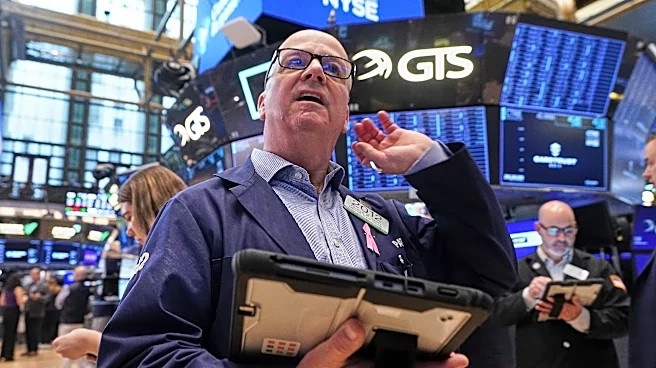
The yield on the U.S. Treasury's 30-year bond has climbed to its highest level since 2007, reaching 5.20%. This increase is part of a broader trend of rising yields on government bonds globally, driven by investor concerns over accelerating inflation
and potential interest rate hikes by central banks. The recent surge in energy prices, partly due to geopolitical tensions such as the Iran war, has intensified these inflation fears. As a result, traders are betting on the Federal Reserve raising interest rates sooner than previously expected. The bond market is currently pricing in a 'higher-for-longer' rate policy, particularly affecting longer-dated bonds where duration sensitivity is greatest.
Why It's Important?
The rise in long-term Treasury yields has significant implications for the U.S. economy. Higher yields can lead to increased borrowing costs for the government, businesses, and consumers, potentially slowing economic growth. The situation is further complicated by mounting deficits, which are prompting investors to demand higher compensation for holding longer-maturity debt. This environment of rising yields and inflationary pressures could lead to a shift in monetary policy, with the Federal Reserve potentially increasing interest rates to curb inflation. Such a move would have widespread effects on financial markets, influencing everything from mortgage rates to corporate borrowing costs.
What's Next?
The market's focus will likely remain on the Federal Reserve's next moves, with traders anticipating a rate hike by the end of the year. The ongoing inflationary pressures and geopolitical tensions will continue to influence bond market dynamics. Investors and policymakers will need to navigate these challenges carefully to maintain economic stability. The actions of major financial institutions and their strategies in response to these developments will also be closely monitored, as they could significantly impact market sentiment and future economic conditions.