






What's Happening?
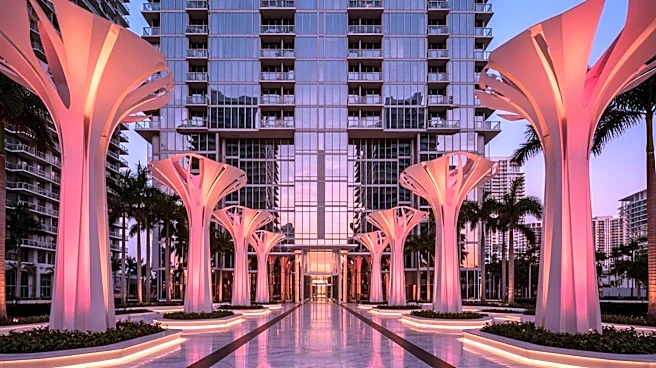
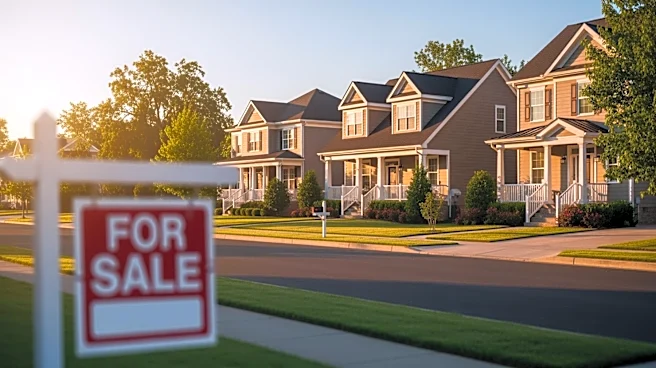
The median price of newly built homes in urban areas remains significantly higher than in suburban areas, with urban new builds priced at a median of $738,662 compared to $414,000 for existing homes. This price disparity is attributed to regulatory and
zoning challenges that limit new construction in urban areas. A bipartisan housing reform bill, the 21st Century ROAD to Housing Act, aimed at addressing these issues, has stalled in Congress due to disagreements over restrictions on institutional investors. The scarcity of urban new builds continues to drive up prices, maintaining a premium for urban housing.
Why It's Important?
The delay in housing reform has significant implications for urban housing affordability and availability. High prices for urban new builds limit access to housing for many potential buyers, exacerbating affordability issues in cities. The stalled reform efforts highlight the challenges of balancing regulatory oversight with the need to increase housing supply. For policymakers and urban planners, the situation underscores the importance of streamlining regulations to facilitate more construction in urban areas, which could help alleviate housing shortages and reduce price premiums.
What's Next?
The future of urban housing reform remains uncertain as congressional negotiations continue. If the 21st Century ROAD to Housing Act is eventually passed, it could lead to increased construction in urban areas, potentially easing price pressures. In the meantime, local governments may explore independent measures to address housing shortages, such as revising zoning laws or offering incentives for urban development. Stakeholders, including real estate developers and housing advocates, will be closely monitoring legislative developments and their potential impact on the housing market.