



What's Happening?
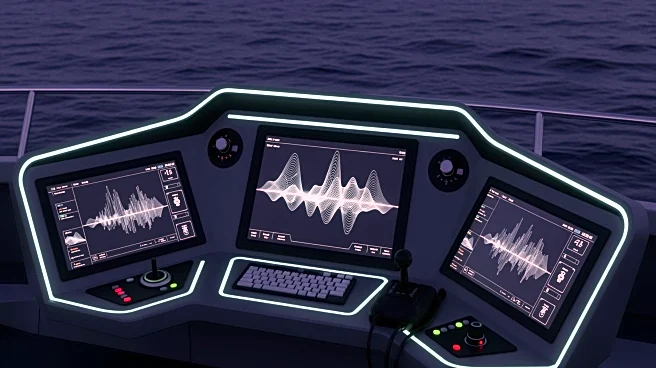
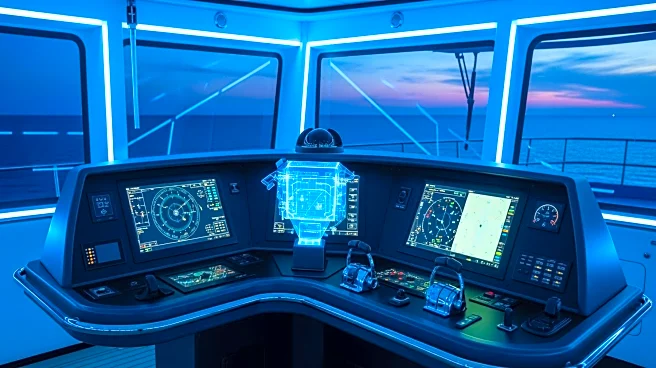
The maritime industry is undergoing a significant transformation driven by AI, analytics, and automation. The global maritime digitization market, valued at $176 billion in 2023, is projected to reach $361 billion by 2030. This growth is fueled by regulatory
demands, labor shortages, and a shift towards data-driven decision-making. Modern crew-management systems now operate on event-driven architectures, automating compliance workflows and reducing human error. These systems provide real-time alerts for potential compliance risks, allowing fleet managers to take corrective action proactively. The integration of AI and machine learning is enhancing operational efficiency, with AI-powered rostering optimizing scheduling and ML models identifying compliance issues.
Why It's Important?
The digitization of maritime operations is crucial for addressing the industry's complex challenges, such as managing multinational crews and ensuring compliance with diverse regulations. By automating payroll and compliance processes, maritime companies can reduce human error and build trust across fleets. The adoption of AI and analytics is expected to improve safety, efficiency, and transparency in maritime operations. This transformation is also essential for addressing the global labor shortage in the maritime sector, as it enables more agile workforce planning and enhances the industry's ability to respond to changing demands.
What's Next?
As the maritime industry continues to embrace digital transformation, the focus will be on overcoming integration challenges and ensuring reliable connectivity at sea. The development of hybrid architectures that blend onboard intelligence with cloud-based analytics will be key to maintaining operational continuity. The industry will also need to invest in data governance and user training to maximize the benefits of digital tools. In the coming years, maritime companies are expected to integrate specialized digital tools through marketplace-style ecosystems, further enhancing their operational capabilities and competitive advantage.