






What's Happening?
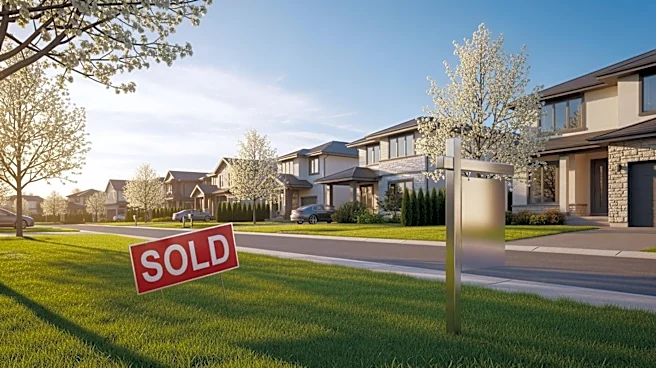
Hartford, Connecticut, has been identified as the hottest housing market in the United States, according to a report by Zillow. Despite its historical decline in population and economic challenges, Hartford has seen a significant resurgence in its housing market.
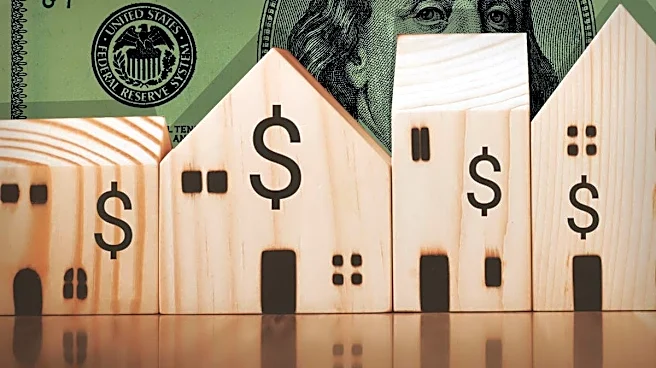
In 2025, typical home values in Hartford were $382,000, with two-thirds of homes selling above their asking price. The city has experienced a 63% reduction in available homes compared to pre-pandemic levels, leading to increased demand. Only 16.5% of listings saw price cuts, and home values grew by 4.3% in 2025, with a forecasted growth of 3.9% in 2026. This trend is part of a broader pattern in the Northeast, where cities like Buffalo and New York also rank high on the list of competitive housing markets.
Why It's Important?
The rise of Hartford as a leading housing market highlights significant shifts in U.S. real estate dynamics, particularly in regions previously considered economically stagnant. This development underscores the impact of limited housing supply on market competitiveness and pricing. For potential homeowners and investors, Hartford's market presents both opportunities and challenges, with high demand driving up prices. The trend also reflects broader economic shifts, as regions traditionally experiencing population decline are now seeing renewed interest. This could influence future urban planning and economic policies aimed at sustaining growth and addressing housing shortages.
What's Next?
As Hartford continues to experience a housing boom, stakeholders, including local government and real estate developers, may need to address the supply-demand imbalance. Potential measures could include incentivizing new construction and revising zoning laws to accommodate more housing units. Additionally, the market's growth may attract more businesses and residents, potentially revitalizing the local economy. Monitoring how these changes affect the broader Northeast region will be crucial, as similar trends could emerge in other cities facing housing shortages.