






What's Happening?
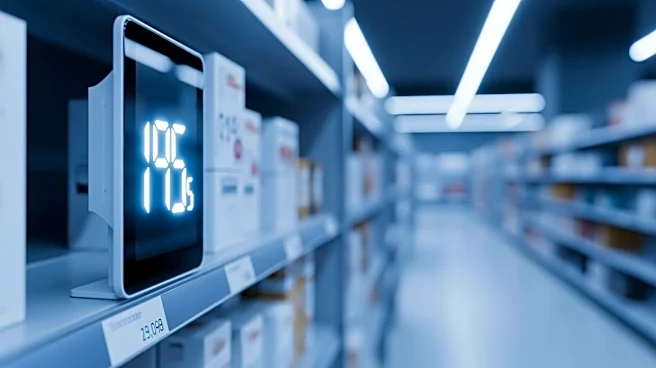
Walmart is implementing digital shelf labels across its stores, replacing traditional paper price tags. This change is intended to streamline operations and improve efficiency in order fulfillment. However, the introduction of this technology has sparked
controversy and concern among shoppers and lawmakers. Critics worry about the potential for unfair pricing practices, such as surge pricing or surveillance pricing, where prices could be adjusted based on demand or customer data. In response, several lawmakers have proposed bills to regulate or even prohibit the use of electronic shelf labels. Despite these concerns, Walmart plans to expand the technology to all its stores within the next year, with about half of its locations already equipped with the digital labels.
Why It's Important?
The shift to digital price tags at Walmart represents a significant change in retail operations, with potential implications for both consumers and the industry. For consumers, the primary concern is the possibility of dynamic pricing, which could lead to higher costs during peak shopping times or for certain customer profiles. This raises questions about transparency and fairness in pricing. For the retail industry, the adoption of digital labels could set a precedent, encouraging other retailers to follow suit. This could lead to widespread changes in how prices are displayed and adjusted, impacting consumer trust and shopping behavior. Additionally, the efficiency gains from digital labels could reduce labor costs and improve inventory management, providing a competitive edge to retailers who adopt the technology.
What's Next?
As Walmart continues to roll out digital price tags, it is likely that the debate over their use will intensify. Lawmakers may push for stricter regulations to protect consumers from potential abuses of the technology. Retailers, on the other hand, may advocate for the benefits of digital labels, such as improved efficiency and reduced operational costs. The outcome of this debate could influence the future of retail pricing strategies and the adoption of similar technologies across the industry. Consumers and advocacy groups may also play a role in shaping the conversation, demanding greater transparency and accountability from retailers.