

What's Happening?
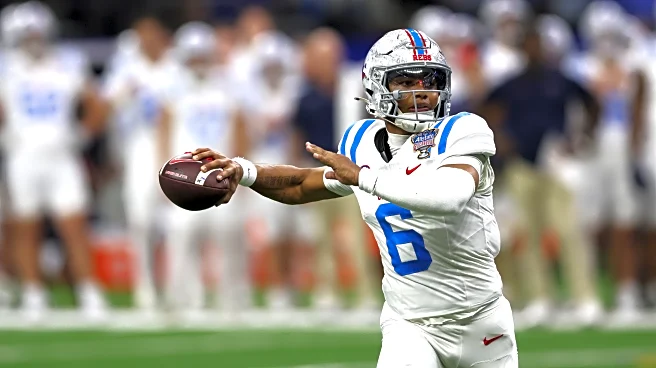
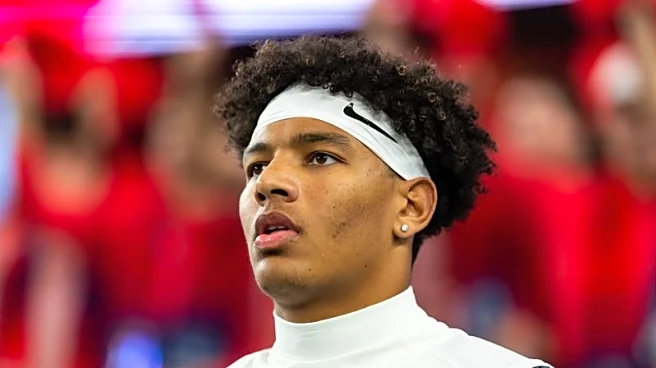
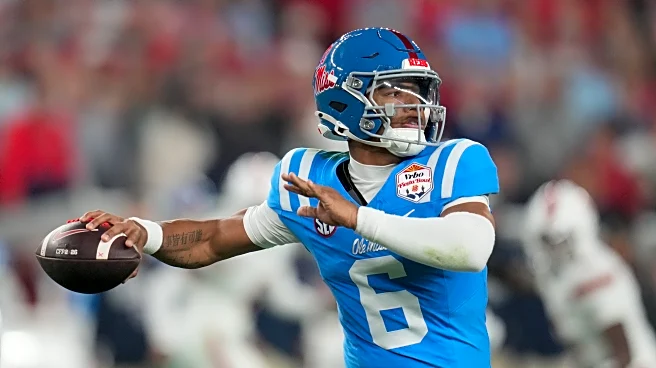
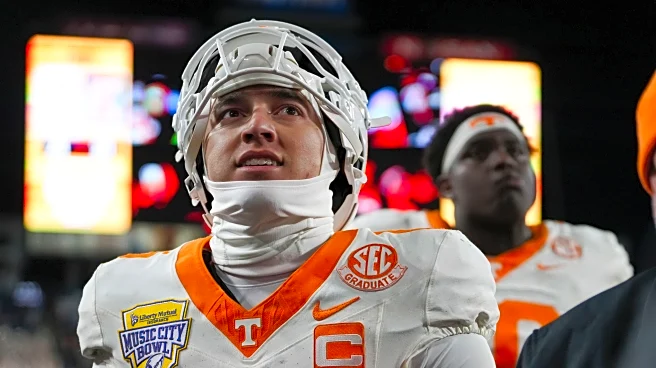
Ole Miss University is contesting the NCAA's decision to deny quarterback Trinidad Chambliss a sixth year of eligibility. The NCAA's ruling, which concluded the administrative appeals process, has placed Chambliss's availability for the 2026 season in jeopardy. Chambliss had sought a medical hardship waiver due to past injuries, but the NCAA subcommittee disagreed with the documentation provided. Ole Miss argues that the decision contradicts established NCAA rules and precedents. The university has expressed its support for Chambliss and plans to pursue legal action to challenge the ruling, potentially seeking an injunction to restore his eligibility.
Why It's Important?
The NCAA's decision has significant implications for both Chambliss and the Ole Miss football
program. Chambliss was a key player in Ole Miss's successful 2025 season, leading the team to a College Football Playoff semifinal appearance. His absence could impact the team's performance and championship aspirations. The case also highlights broader issues within college athletics, such as the complexities of eligibility rules and the increasing trend of legal challenges against NCAA decisions. The outcome of this case could set a precedent for how similar disputes are handled in the future, affecting athletes and programs nationwide.
What's Next?
Ole Miss plans to continue supporting Chambliss by pursuing all available legal remedies, including a potential injunction to restore his eligibility. The legal proceedings will determine whether Chambliss can return to play for Ole Miss or must prepare for a professional career. The university's approach reflects a growing trend of challenging NCAA rulings through the courts. Meanwhile, Ole Miss will need to prepare for the possibility of starting the 2026 season without Chambliss, which may involve adjusting their offensive strategy and exploring alternative quarterback options.