





What's Happening?
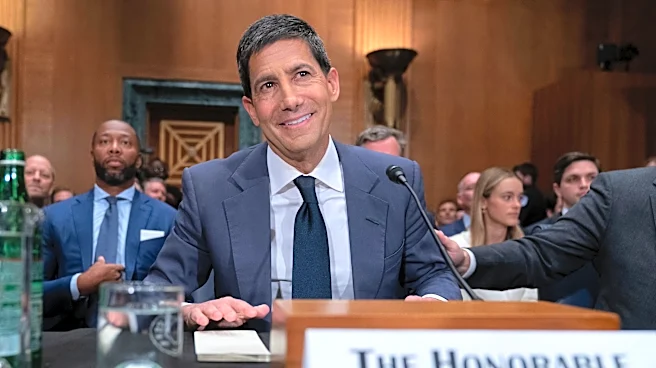
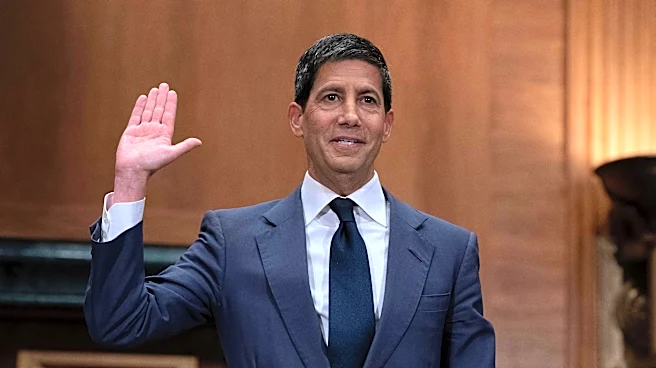
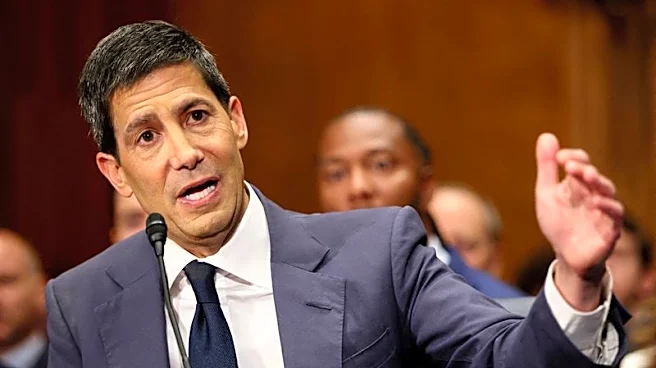
Kevin Warsh, recently confirmed as the new chairman of the Federal Reserve, is expected to implement significant reforms at the central bank. Warsh, who previously left the Fed in opposition to its expansive bond-buying program, aims to address issues
such as inflation monitoring, market bailouts, and communication strategies. His approach may involve reducing the frequency of press conferences and returning to a more opaque form of central banking. Warsh's agenda includes potential changes to the Fed's economic analyses and communication tools, such as the Summary of Economic Projections. However, these reforms are expected to take time to implement, as they require careful consideration and consensus among policymakers.
Why It's Important?
Warsh's proposed reforms could have a profound impact on the Federal Reserve's operations and its relationship with financial markets. By altering how the Fed communicates and manages its policies, Warsh could influence market expectations and economic stability. His focus on reducing the Fed's balance sheet and re-evaluating inflation measures may lead to shifts in monetary policy that affect interest rates and economic growth. These changes could have significant implications for businesses, investors, and consumers, as they navigate a potentially new economic landscape shaped by Warsh's leadership.
What's Next?
Warsh's immediate challenge will be to balance President Trump's demands for interest rate cuts with the current economic data, which suggests limited room for such cuts. He will need to build consensus within the Fed's rate-setting committee to implement his proposed reforms. Warsh's plans to change the Fed's communication strategy and potentially reduce its balance sheet will require thorough analysis and debate among policymakers. The success of these efforts will depend on Warsh's ability to present compelling research and gain support from fellow Fed officials.