

What's Happening?
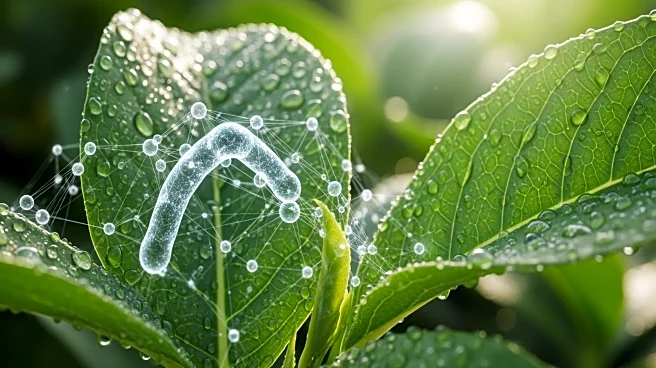
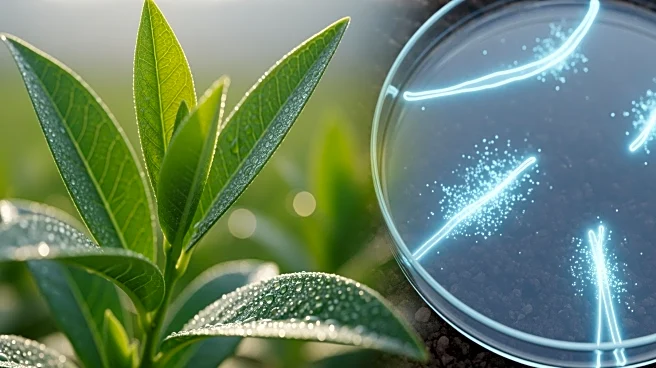
Robigo, a U.S.-based agricultural biotech startup, is pioneering the use of engineered soil microbes to create 'living biopesticides' that target specific crop diseases without harming beneficial organisms or human consumers. The company utilizes RNA
interference (RNAi) technology to engineer microbes that deliver genetic payloads to disable genes responsible for crop diseases. This approach aims to replace traditional chemical pesticides, which have been used for over 70 years but often cause collateral damage to the environment and human health. Robigo's technology has shown promise in field trials, particularly against Fusarium wilt, a disease that currently lacks effective chemical treatments.
Why It's Important?
The development of living biopesticides by Robigo represents a significant shift in agricultural practices, potentially reducing reliance on chemical pesticides that have been linked to environmental degradation and health risks. This innovation could lead to more sustainable farming practices, preserving beneficial soil organisms and pollinators while reducing chemical residues in food. The global market for RNAi pesticides is projected to grow significantly, driven by regulatory restrictions on chemical pesticides and consumer demand for residue-free produce. Robigo's approach could fill a critical gap in the market, offering effective solutions for diseases that chemical treatments cannot address.
What's Next?
Robigo faces several challenges before its living biopesticides can become widely available. These include gaining public acceptance of gene-edited microbes, navigating lengthy regulatory approval processes, and reducing production costs to make the technology accessible to more farmers. The company has secured significant funding and recognition, but it must continue to demonstrate the efficacy and safety of its products to overcome these barriers. As regulatory processes unfold, Robigo's success could pave the way for broader adoption of biotechnological solutions in agriculture.