
What's Happening?
While the ongoing conflict in the Middle East has driven up oil prices, inflationary pressures in the U.S. are also being felt across various sectors beyond energy. The consumer price index rose by 0.6%
in April, bringing the annual inflation rate to 3.8%, the highest in nearly three years. According to Bret Kenwell, a U.S. investment analyst at eToro, consumers are experiencing price increases across their household budgets, not just at the gas pump. Areas such as housing, shopping, and services have seen significant price hikes, with items like window coverings, jewelry, and delivery services experiencing notable increases. Despite these pressures, some areas like used cars and smartphones have seen price stability or declines.
Why It's Important?
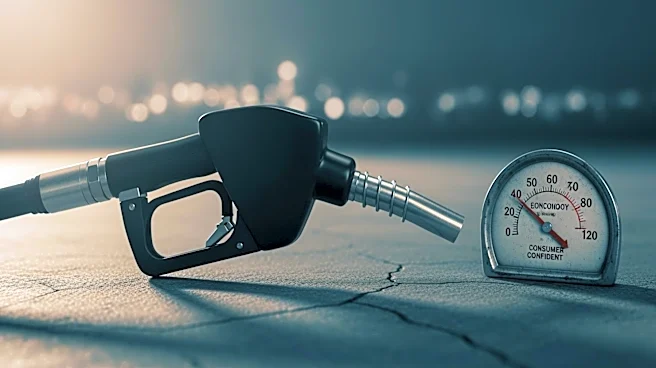
The widespread nature of inflationary pressures highlights the complexity of the current economic environment. As consumers face rising costs in multiple areas, their purchasing power is further diminished, potentially leading to decreased consumer confidence and spending. This situation poses challenges for businesses that rely on consumer spending, as they may need to adjust pricing strategies or absorb costs to maintain sales. The broader inflationary trend also complicates monetary policy decisions, as policymakers must balance controlling inflation with supporting economic growth.
What's Next?
As inflation continues to affect various sectors, businesses and consumers will need to navigate the economic landscape carefully. Policymakers may need to consider targeted measures to address specific inflationary pressures while ensuring overall economic stability. The potential for further geopolitical developments could exacerbate inflationary trends, requiring ongoing vigilance and adaptability from both government and industry stakeholders.