





What's Happening?
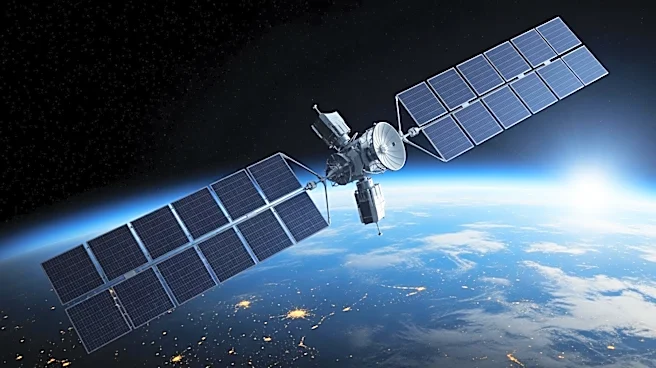
Meta Platforms Inc. is exploring an innovative approach to power its artificial intelligence data centers by utilizing solar energy collected in space. The company has entered into an agreement with Overview Energy, a startup focused on harnessing sunlight
via satellites orbiting Earth. This initiative aims to convert the collected solar energy into electricity to support the grid. The deal, which remains financially undisclosed, promises Meta preferential access to up to 1 gigawatt of space solar energy, equivalent to the output of a nuclear reactor. Overview Energy plans to conduct an initial orbital demonstration in 2028, with commercial power delivery expected by 2030. This move is part of Meta's extensive investment in AI infrastructure, which includes the development of gas-fired plants to support its largest AI data center campus in Louisiana.
Why It's Important?
The initiative by Meta to utilize space-based solar energy represents a significant step towards sustainable energy solutions for data centers, which are known for their high electricity demands. By investing in this technology, Meta could potentially reduce its reliance on traditional energy sources, such as natural gas, and move towards cleaner, uninterrupted energy. This could set a precedent for other tech companies, encouraging them to explore similar sustainable energy solutions. The success of this project could also accelerate advancements in space-based solar technology, potentially offering a new avenue for renewable energy that is not limited by terrestrial constraints like weather and daylight.
What's Next?
Meta and Overview Energy will focus on developing and testing the technology required for space-based solar energy collection. The initial orbital demonstration planned for 2028 will be a critical milestone in proving the feasibility of this concept. If successful, it could lead to broader adoption of space-based solar energy solutions. Additionally, Meta's commitment to this project may influence other tech giants to invest in similar technologies, potentially leading to a shift in how data centers are powered globally.