





What's Happening?
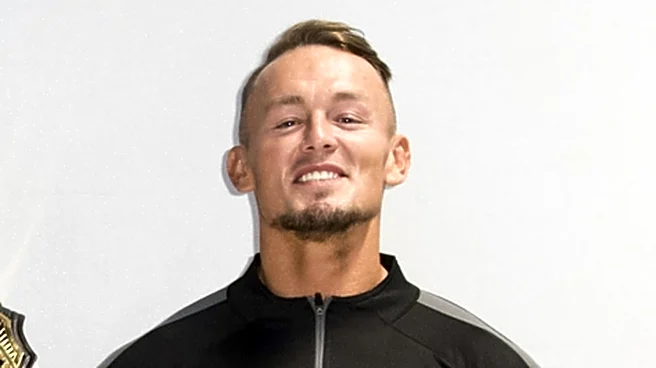
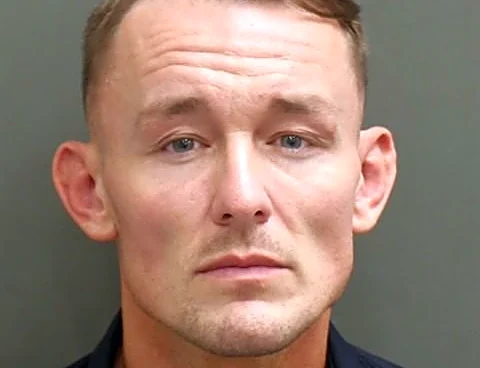
Ludwig Kaiser, also known as Marcel Barthel, a professional wrestler, has been granted permission to continue traveling for work despite facing a battery charge. Kaiser was arrested on May 20 in Florida following an incident on April 23, where he allegedly
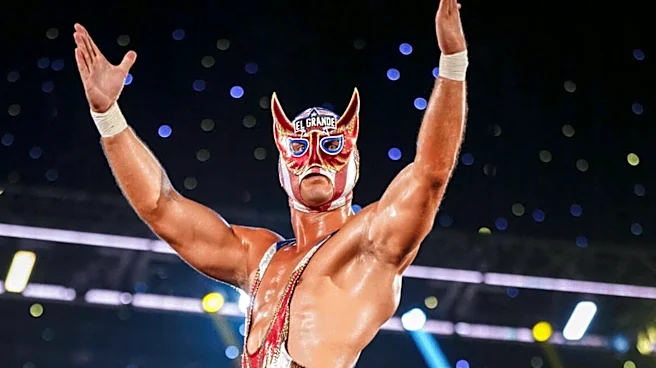
attacked another male. A motion was filed requesting that Kaiser be allowed to travel, as it is essential for his job. Court records indicate that the state is not objecting to this motion. Assistant State Attorney Shaylynne Kotch communicated no objection to the motion, allowing Kaiser to travel out of Florida and internationally. Although a scheduled event in Mexico was canceled, Kaiser is set to participate in a mask vs. mask match against OG El Grande Americano on May 30 in Mexico.
Why It's Important?
The decision to allow Ludwig Kaiser to travel is significant for his professional commitments and the wrestling industry. As a wrestler, travel is integral to fulfilling contractual obligations and maintaining career momentum. The state's decision not to object to the travel motion reflects a balance between legal proceedings and professional requirements. This case highlights the challenges athletes face when legal issues intersect with their careers. The outcome could set a precedent for how similar cases are handled, impacting athletes who rely on travel for their livelihoods. The wrestling community and fans are likely to watch closely, as Kaiser's participation in international events is crucial for his career and the entertainment value of the sport.
What's Next?
Ludwig Kaiser is scheduled to compete in a high-profile match in Mexico on May 30, which will be a significant event for his career. The legal proceedings related to his battery charge will continue, and the outcome could affect his future travel and professional engagements. Stakeholders in the wrestling industry, including promoters and fans, will be monitoring the situation closely. The legal process will determine if further restrictions or conditions will be imposed on Kaiser, potentially influencing his ability to participate in future events. The case may also prompt discussions within the industry about how to manage legal issues involving athletes.