







What's Happening?
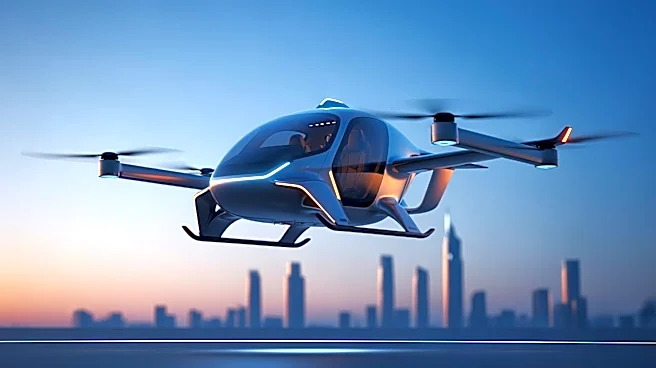
Three U.S. aerospace startups, Joby Aviation, Archer Aviation, and Beta Technologies, are in a competitive race to develop and launch flying taxis, aiming to bring the concept of 'Jetsons'-style air travel to reality. These companies have been actively
showcasing their electric vertical takeoff and landing aircraft (eVTOLs) at various industry events, promoting them as environmentally friendly and cost-effective alternatives to traditional helicopters. Despite their advancements, none of these aircraft have yet received certification from aviation authorities, which is a crucial step before they can begin regular passenger services. Joby and Archer are targeting a commercial launch as early as this year, while Beta's timeline extends several years into the future. All three companies are participating in a U.S. Department of Transportation program designed to integrate electric air taxis into the national airspace system. However, they face significant challenges, including regulatory approvals, infrastructure development, and public acceptance.
Why It's Important?
The development of flying taxis represents a significant shift in urban transportation, potentially reducing traffic congestion and offering a cleaner alternative to current modes of transport. If successful, these eVTOLs could transform how people commute, especially in densely populated urban areas. The economic implications are substantial, with potential impacts on the aviation industry, urban planning, and environmental policies. However, the companies must overcome hurdles such as securing regulatory approvals and building the necessary infrastructure. The success of these startups could also influence investor confidence in the broader aerospace and technology sectors, as they seek to prove the viability and safety of their innovations.
What's Next?
The next steps for these companies involve obtaining the necessary certifications from aviation authorities, which is critical for launching commercial services. They will also need to focus on building the infrastructure required to support widespread use of flying taxis, such as vertiports and air traffic management systems. Additionally, public acceptance will be crucial, requiring efforts to educate potential users about the safety and benefits of eVTOLs. As these companies progress, they may also face increased competition from other players entering the market, further driving innovation and potentially accelerating the adoption of flying taxis.
Beyond the Headlines
The introduction of flying taxis could have broader implications beyond transportation. It may lead to changes in urban development, as cities adapt to accommodate new transportation hubs and routes. There are also potential environmental benefits, as eVTOLs could reduce reliance on fossil fuels and decrease urban air pollution. However, ethical and legal considerations, such as airspace regulation and privacy concerns, will need to be addressed. The success of these initiatives could also inspire further advancements in electric aviation technology, potentially influencing other sectors such as logistics and emergency services.