



What's Happening?
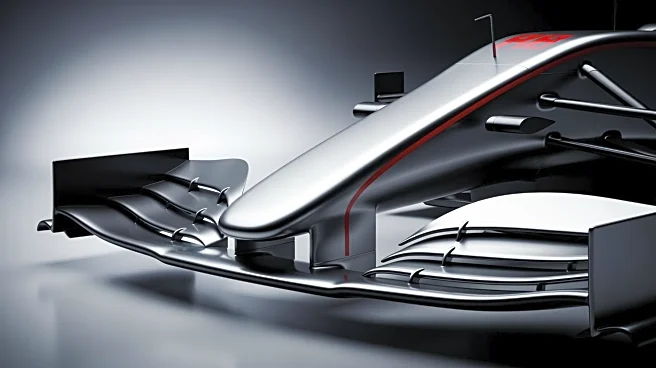
Audi is set to enter the Formula 1 racing series in the 2026 season, marking a significant expansion of its motorsport endeavors. Known for its success in various racing disciplines, including rally and endurance racing, Audi aims to replicate its winning formula in the highly competitive world of Formula 1. The company has taken over the Sauber facilities in Switzerland for chassis construction, while its tech center is located in England, and engine production will occur in Germany. Audi's entry into F1 comes with a strategic plan to win a constructors' championship by 2030. The team will be led by experienced figures such as Jonathan Wheatley and Mattias Binnoto, and will feature drivers Nico Hulkenberg and Gabriel Bortoleto. The 2026 season will see
changes in power unit regulations, with a focus on hybrid technology, which aligns with Audi's history of success with hybrid race cars.
Why It's Important?
Audi's entry into Formula 1 is significant as it brings a new level of competition to the sport, potentially altering the dynamics among existing teams. With its extensive experience and resources, Audi could challenge established teams, leading to increased competition and innovation. This move also highlights the growing importance of hybrid technology in motorsports, as the 2026 regulations emphasize a balance between traditional engine power and electric motor assistance. Audi's participation could attract more attention to Formula 1, particularly from fans of the brand and those interested in technological advancements in racing. The success of Audi in F1 could also influence other automotive manufacturers to consider entering the sport, further diversifying the competition and technological development.
What's Next?
As Audi prepares for its debut in the 2026 Formula 1 season, the team will focus on developing competitive race cars that meet the new regulations. The next steps involve rigorous testing and refinement of their vehicles to ensure they can compete at the highest level. Audi's management will also need to strategize on how to best utilize their drivers' skills and adapt to the evolving race conditions. The team's performance in the initial races will be closely watched, as it will set the tone for their long-term goal of winning a constructors' championship by 2030. Additionally, the response from other teams and the broader motorsport community will be crucial in shaping the competitive landscape of Formula 1.