






What's Happening?
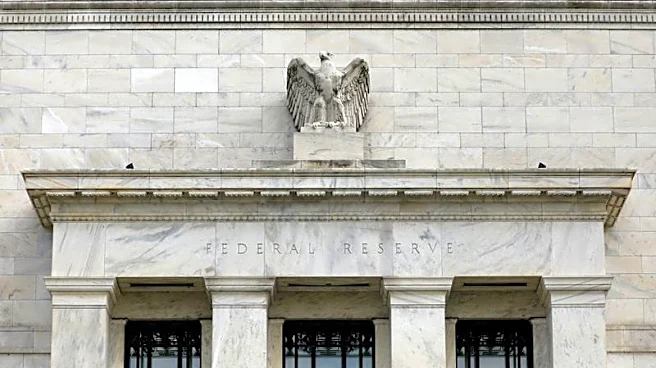
Minneapolis Federal Reserve President Neel Kashkari has expressed concerns about the potential need for a series of interest rate hikes due to the inflationary impact of the U.S.-backed war with Iran. The conflict has led to the closure of the Strait
of Hormuz, significantly affecting global oil prices, which have surged above $100 a barrel. Kashkari, one of four dissenters in the recent Fed meeting, argues that the central bank should acknowledge the risk of rate hikes to maintain its 2% inflation target. He believes that the Fed's current policy language, which suggests an easing bias, should be revised to reflect the possibility of either rate cuts or hikes, given the high level of economic and geopolitical uncertainty.
Why It's Important?
Kashkari's stance highlights the challenges the Federal Reserve faces in balancing inflation control with economic stability amid geopolitical tensions. The potential for rate hikes could have significant implications for the U.S. economy, affecting borrowing costs, consumer spending, and business investment. The Fed's policy decisions are crucial for maintaining economic confidence and stability, especially as inflation remains above target levels. Kashkari's warning underscores the need for the Fed to remain flexible and responsive to changing economic conditions, which could impact financial markets and the broader economy.
What's Next?
The Federal Reserve will need to carefully assess the ongoing impact of the Iran conflict on global oil prices and inflation. As the situation evolves, the Fed may need to adjust its policy stance to address inflationary pressures while supporting economic growth. Stakeholders, including businesses and investors, will be closely watching for any changes in the Fed's policy outlook and guidance. The potential for further geopolitical developments could add to the uncertainty, requiring the Fed to remain vigilant and adaptable in its approach to monetary policy.