


What's Happening?
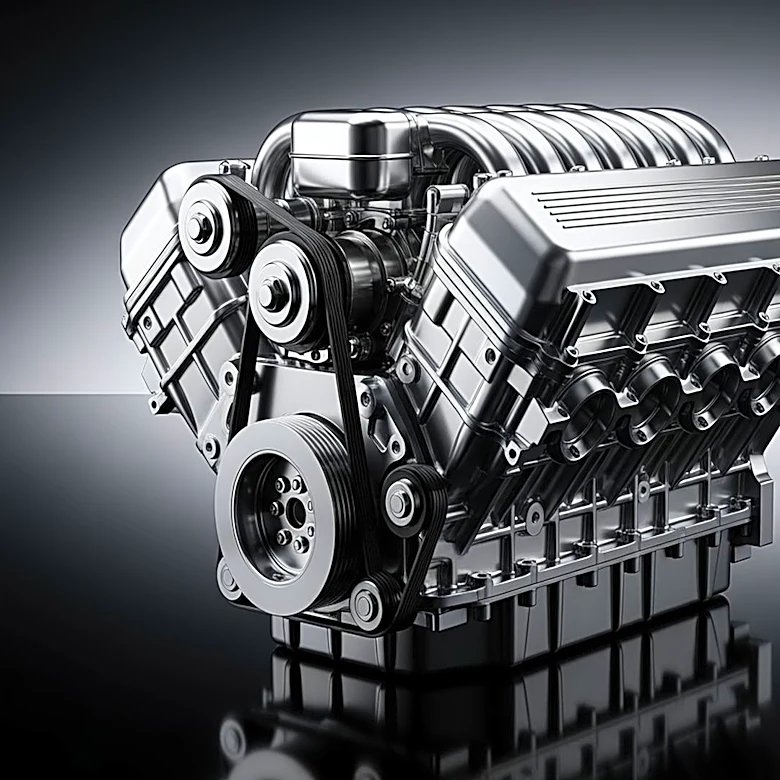
The 2026 Range Rover Sport Hybrid P550e has been tested, showcasing its enhanced performance capabilities as a plug-in hybrid vehicle. The P550e model features a turbocharged 3.0-liter inline-six engine paired with an electric motor, delivering a combined
output of 543 horsepower and 590 pound-feet of torque. This powertrain allows the vehicle to accelerate from 0 to 60 mph in 4.4 seconds and complete a quarter-mile in 13 seconds at 108 mph. Despite its substantial curb weight of 6,444 pounds, the P550e offers a commendable all-electric range of 54 miles, surpassing EPA estimates. The vehicle's interior is noted for its luxury and comfort, although the infotainment system's reliance on touch controls has been criticized for being less user-friendly.
Why It's Important?
The introduction of the Range Rover Sport Hybrid P550e highlights the automotive industry's ongoing shift towards electrification, even as full electric vehicle adoption faces challenges. This model represents a significant step in combining traditional combustion engines with electric power to enhance performance and efficiency. The P550e's ability to offer a substantial electric range while maintaining the luxury and performance expected from a Range Rover positions it as a competitive option in the luxury SUV market. This development is crucial as it reflects consumer demand for more sustainable yet powerful vehicles, potentially influencing future automotive design and engineering strategies.
What's Next?
As the automotive industry continues to evolve, the success of models like the Range Rover Sport Hybrid P550e could encourage other manufacturers to invest in similar hybrid technologies. The transition towards full electric vehicles is expected to continue, but plug-in hybrids may serve as an important bridge for consumers and manufacturers alike. Future developments may include improvements in battery technology, further increasing electric range and efficiency. Additionally, consumer feedback on the P550e's infotainment system may lead to refinements in user interface design, enhancing the overall driving experience.