




What's Happening?
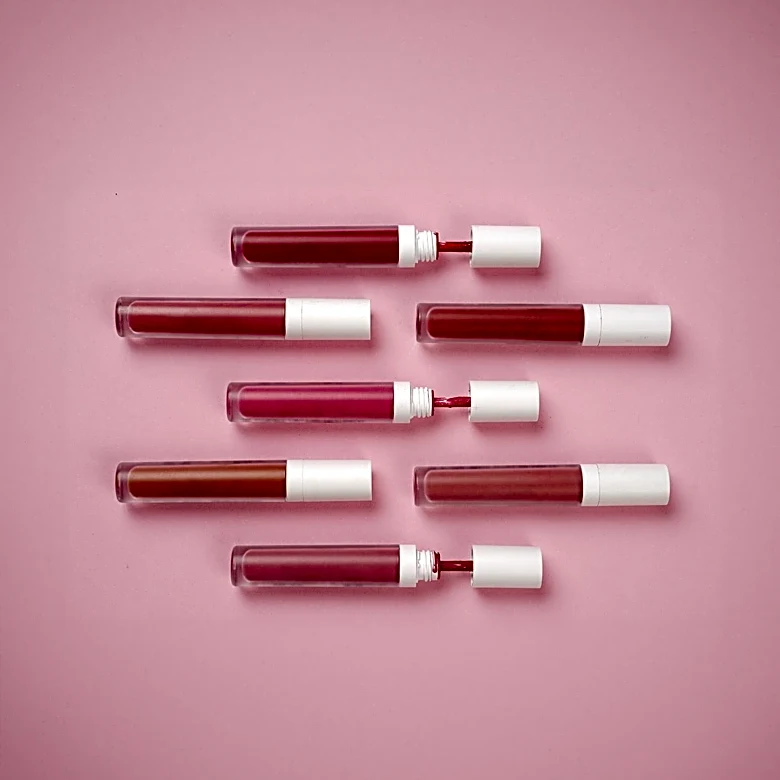
The beauty industry is grappling with the challenges of implementing sustainable refill models. While the concept of refills is gaining traction, the practicalities of reducing packaging waste through refills are complex. Experts highlight that refills are not
suitable for all products, and the environmental benefits depend on the frequency of refills. The industry has seen only a 7% growth in refillable product launches, indicating slow adoption. Factors such as cost, supply chain logistics, and consumer behavior play significant roles in the effectiveness of refill models.
Why It's Important?
Sustainable packaging is a critical component of reducing the environmental impact of the beauty industry. However, the slow adoption of refill models suggests that more innovation and consumer education are needed. The industry's ability to effectively implement refills could influence broader sustainability efforts and consumer perceptions. Successful adoption could lead to significant reductions in packaging waste and set a precedent for other sectors. Conversely, failure to address these challenges could hinder progress towards sustainability goals.
What's Next?
The beauty industry may need to explore alternative strategies to enhance the effectiveness of refill models. This could involve developing more cost-effective solutions, improving supply chain logistics, and increasing consumer awareness. Collaboration with stakeholders and investment in research and development could drive innovation in sustainable packaging. The industry's response to these challenges will likely shape its sustainability trajectory and influence consumer behavior.