


What's Happening?
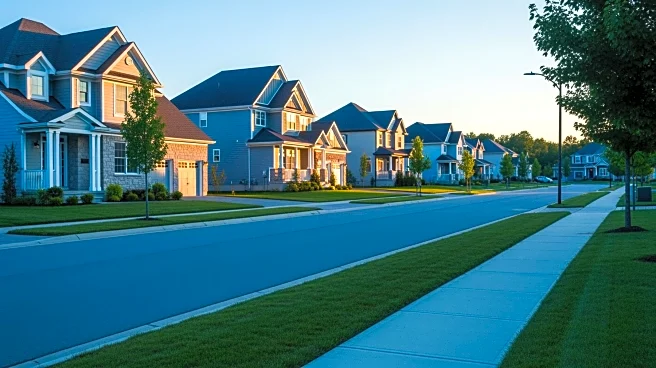
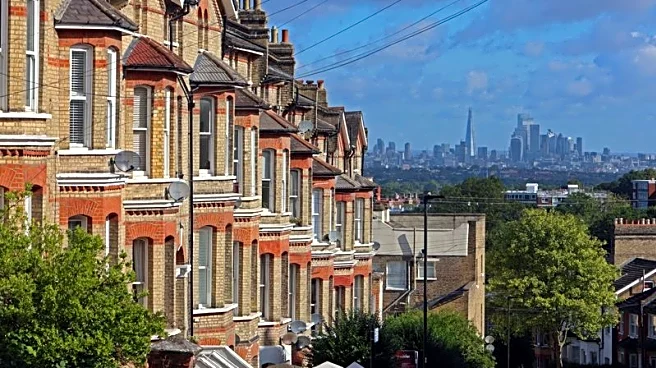
Realtor.com has identified ten regional housing markets in the Northeast and Midwest projected to experience significant growth in 2026. These markets, referred to as 'refuge markets,' offer better affordability compared to larger metropolitan areas, attracting buyers with stronger credit scores and higher down payments. The top markets include Hartford, CT, Rochester, NY, and Worcester, MA, among others. These areas are expected to see robust growth driven by rising home sales and price gains. The trend is fueled by buyers seeking affordability amidst elevated prices and mortgage rates in major cities. The median list price in these markets is significantly lower than the national median, making them attractive to first-time buyers and those
relocating from pricier locales.
Why It's Important?
The identification of these 'refuge markets' highlights a shift in the U.S. housing market where affordability is becoming a key driver for homebuyers. This trend could lead to increased demand and competition in these smaller markets, potentially driving up home prices and benefiting sellers. For buyers, it presents an opportunity to purchase homes in areas with strong growth potential and relative affordability. The focus on these markets also underscores the ongoing challenges in larger metros where high prices and mortgage rates continue to be barriers for many potential buyers. This shift could influence future housing policies and economic strategies aimed at balancing affordability with growth.
What's Next?
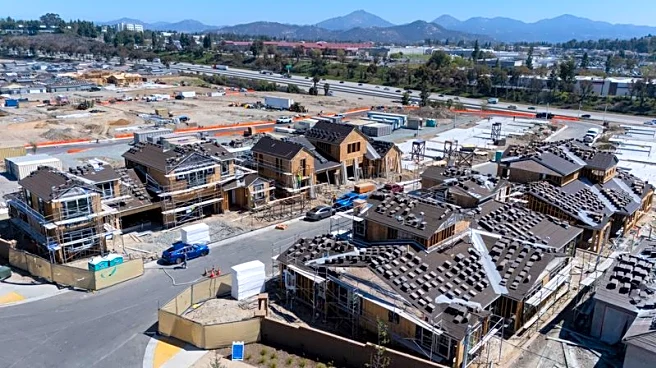
As these markets continue to attract buyers, the demand is likely to put further pressure on housing inventory, potentially leading to price increases. Realtor.com experts forecast slightly lower mortgage rates in 2026, which could encourage more buyers to enter the market. The ongoing demand in these 'refuge markets' may also prompt increased construction activity to address inventory shortages. Additionally, the trend could influence urban planning and development strategies as more people seek affordable housing options outside major metropolitan areas.