







What's Happening?
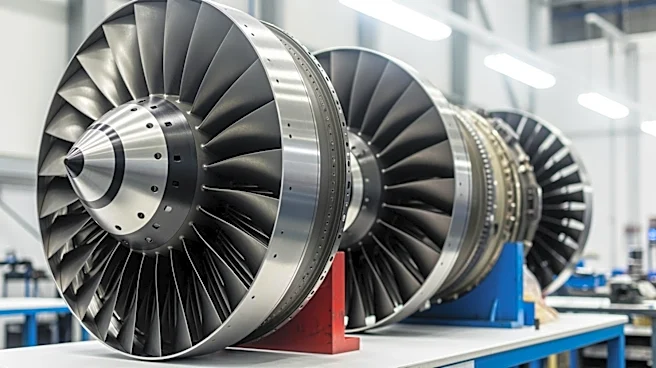
Wizz Air is making progress in returning its Airbus A321neos to service, with expectations that Pratt & Whitney will resolve all issues with the PW1100G engines by the end of 2027. As of the end of the third quarter, Wizz Air had 33 A321neos grounded
due to problems related to geared turbofan (GTF) powder metal, a reduction from the previous year. CEO József Váradi expressed confidence in the resolution timeline during a recent earnings call, emphasizing the importance of fixing the existing fleet before focusing on new aircraft deliveries. Wizz Air has deferred 88 Airbus narrowbody deliveries until after 2030, with a current schedule to receive 46 A321neos in 2026 and additional deliveries through 2030. Váradi noted that while there may be minor delays, major issues are not anticipated.
Why It's Important?
The resolution of engine issues is crucial for Wizz Air as it impacts the airline's operational capacity and financial health. Grounded aircraft represent a significant capital cost, and resolving these issues will allow Wizz Air to optimize its fleet utilization. The successful resolution of these problems by Pratt & Whitney will also influence Wizz Air's future fleet expansion and delivery schedules. Additionally, the introduction of the upgraded GTF Advantage engine is expected to enhance the economic efficiency of the A321neo, potentially shifting the cost-benefit analysis in favor of the newer model. This development is significant for the airline industry as it navigates post-pandemic recovery and fluctuating fuel prices.
What's Next?
Wizz Air will continue to monitor the progress of Pratt & Whitney's efforts to resolve the engine issues. The airline's future fleet expansion plans hinge on the successful resolution of these problems. As the upgraded GTF Advantage engine becomes available, Wizz Air may reassess its fleet strategy to capitalize on improved fuel efficiency and operational cost savings. The airline will also need to manage its delivery schedule with Airbus, ensuring that any delays are minimized to maintain its growth trajectory.