


What's Happening?
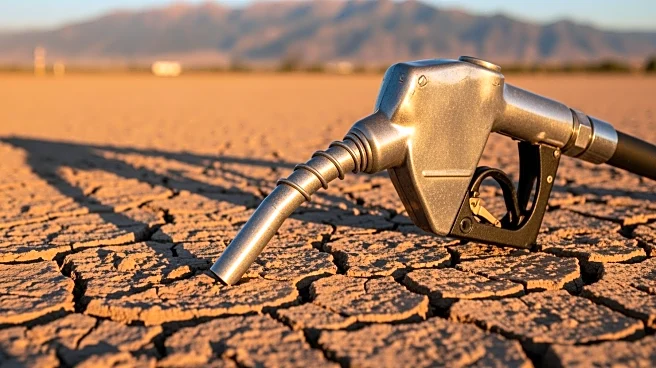
Gas prices in the Mountain West region are experiencing a significant increase, with the national average reaching $3.85 per gallon, up 25 cents from the previous week. In states like Nevada and Arizona, prices are even higher, at $4.62 and $4.46 respectively.
The rise in fuel costs is attributed to regional refinery issues and exacerbated by the ongoing conflict in Iran, which affects global oil supply. The Trump administration's plan to release 172 million barrels from reserves is expected to have a minimal impact on easing prices. The increase in fuel costs is also affecting the prices of goods, as shipping costs rise with the price of diesel fuel.
Why It's Important?
The rising gas prices have significant implications for both consumers and businesses in the Mountain West. Higher fuel costs lead to increased expenses for transportation and logistics, which in turn drive up the prices of consumer goods, affecting household budgets. Businesses, particularly those reliant on transportation, face higher operational costs, which could lead to increased prices for services and goods. The situation highlights the vulnerability of regional economies to global geopolitical events and the importance of energy policy in mitigating such impacts. The economic strain could influence public opinion and policy decisions regarding energy independence and alternative energy sources.
What's Next?
As gas prices continue to rise, consumers and businesses may seek ways to mitigate the impact, such as reducing travel or seeking more fuel-efficient options. Policymakers might face pressure to address energy supply issues and consider strategic reserves or alternative energy investments. The ongoing geopolitical tensions could lead to further fluctuations in oil prices, necessitating adaptive strategies from both the government and private sectors. Monitoring the situation in Iran and its impact on global oil supply will be crucial in anticipating future price changes.