

What's Happening?
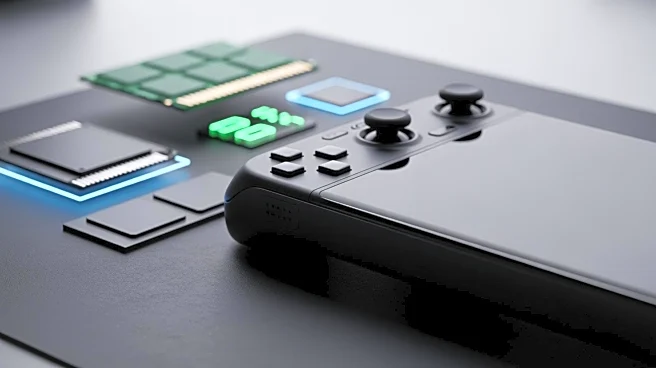
Valve has confirmed that the scarcity of the Steam Deck OLED in the United States is due to a global memory and storage shortage. This shortage has affected the entire gaming industry, causing delays and price increases for various electronic devices. Valve's acknowledgment comes after reports of the Steam Deck being sold out in the U.S., leading to widespread speculation about the reasons behind the scarcity. The company has stated that the shortages are impacting the availability of critical components, which has also affected other major players like Sony and Nintendo. Sony is considering delaying its next-generation console release, while Nintendo may increase the price of its Switch 2. Despite these challenges, the Steam Deck OLED remains
available in the UK and Australia.
Why It's Important?
The memory and storage crisis is a significant issue for the gaming industry, affecting production schedules and pricing strategies for major companies. The scarcity of components is driven by high demand from the artificial intelligence sector, which is consuming large quantities of memory. This situation highlights the interconnectedness of different technology sectors and the impact that shortages in one area can have on others. For consumers, this means potential delays in product availability and increased prices, which could affect purchasing decisions and market dynamics. Companies like Valve, Sony, and Nintendo must navigate these challenges to meet consumer demand and maintain their competitive edge.
What's Next?
Valve and other companies affected by the memory and storage shortages will need to reassess their production and pricing strategies. This may involve finding alternative suppliers or investing in new technologies to mitigate the impact of the shortages. The gaming industry will likely continue to experience disruptions until the supply chain issues are resolved. Consumers can expect potential delays in product releases and price adjustments as companies adapt to the current market conditions. Stakeholders will be closely monitoring the situation to determine the best course of action moving forward.