





What's Happening?
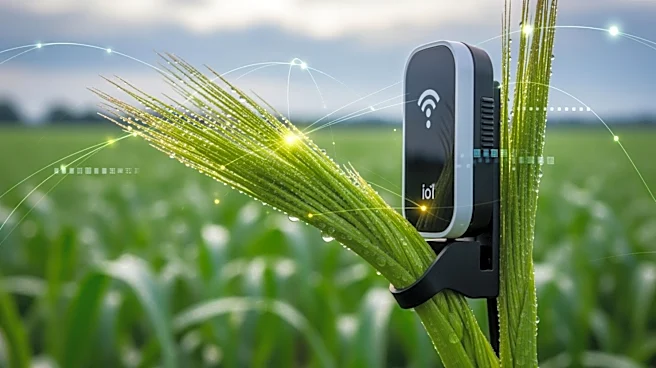
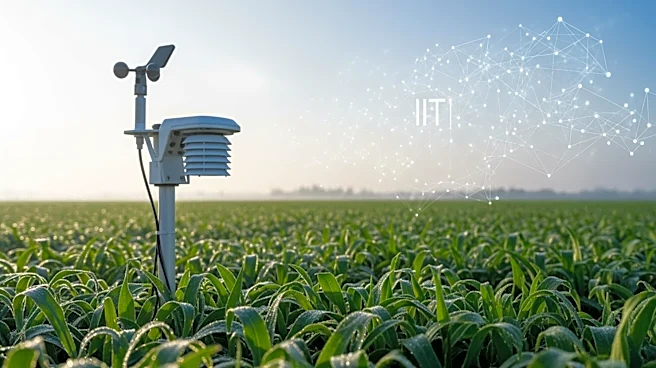
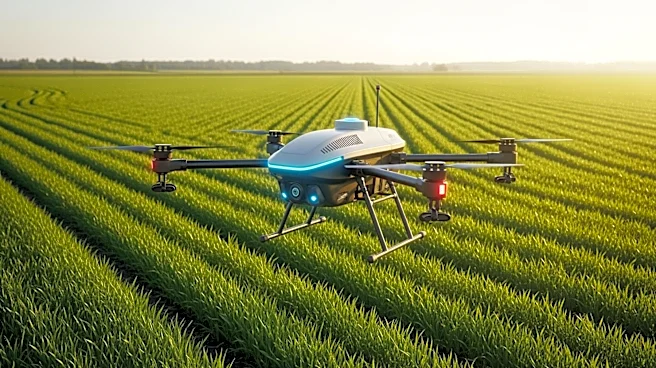
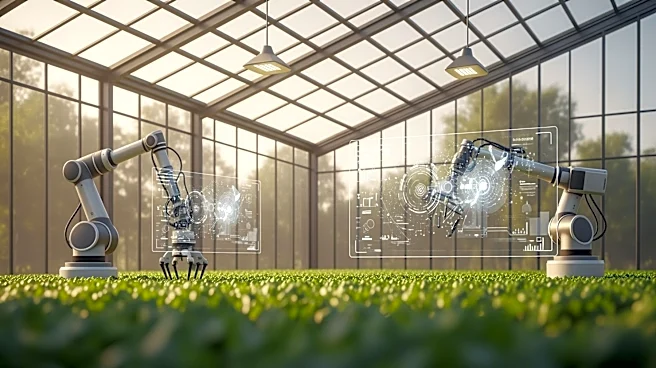
A new study published in AgriEngineering suggests that agentic AI systems could revolutionize precision agriculture by replacing traditional methods with autonomous, goal-driven digital agents. These systems integrate artificial intelligence, Internet
of Things (IoT) sensors, and autonomous technologies to create a closed-loop agricultural model capable of continuous perception, decision-making, and action execution. Unlike current systems that rely on human intervention, the proposed framework allows for real-time responsiveness to environmental changes, enhancing efficiency and sustainability in farming operations.
Why It's Important?
The adoption of agentic AI in agriculture could significantly impact food production, resource management, and environmental sustainability. By enabling autonomous decision-making, these systems can optimize resource use, reduce waste, and improve crop yields. This technological shift is crucial as the global population continues to grow, and traditional farming methods struggle to meet increasing food demands. Additionally, the move towards autonomous systems could address labor shortages and reduce the environmental footprint of agriculture, aligning with broader sustainability goals.
What's Next?
The transition to agentic AI in agriculture will require overcoming challenges related to data quality, connectivity, and system integration. Future research will focus on refining these systems and conducting long-term field studies to evaluate their effectiveness in real-world conditions. Policymakers and industry stakeholders will need to address regulatory and infrastructure barriers to facilitate widespread adoption. As these systems become more prevalent, they may also prompt discussions on the ethical implications of AI in agriculture and the need for human oversight in critical decision-making processes.