


What's Happening?
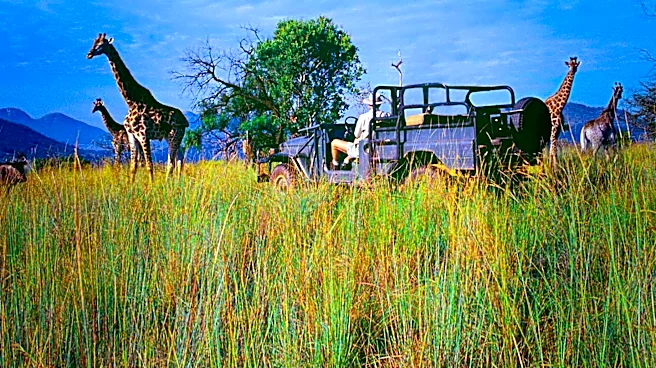
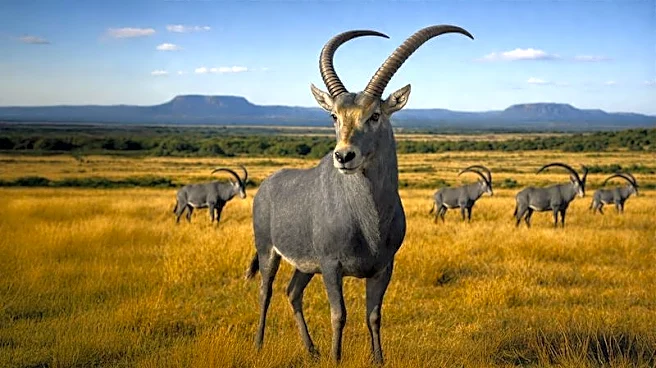
Samara Karoo Reserve in South Africa is engaging in a significant eco-tourism initiative aimed at restoring its ecosystem. Over the past 30 years, the reserve has transformed from a patchwork of farmland into a vast area of reclaimed wilderness. This
transformation includes the reintroduction of species such as cheetahs and lions, which had been absent for over a century. Visitors to the reserve can participate in conservation efforts by planting spekboom, a plant known for its carbon-storing capabilities. The reserve offers various lodging options, including the Karoo Lodge and the off-grid Plains Camp, providing guests with unique experiences such as walking safaris and star bed accommodations. The initiative not only focuses on wildlife restoration but also emphasizes local cuisine and the expertise of knowledgeable guides.
Why It's Important?
The eco-tourism efforts at Samara Karoo Reserve highlight the growing trend of sustainable tourism, which aims to benefit both the environment and local communities. By restoring the ecosystem and reintroducing native species, the reserve contributes to biodiversity conservation and climate change mitigation. The involvement of tourists in conservation activities fosters environmental awareness and responsibility. Additionally, the reserve's focus on local culture and cuisine supports the regional economy and promotes cultural exchange. This model of eco-tourism can serve as an example for other regions looking to balance tourism with environmental and social sustainability.
What's Next?
As Samara Karoo Reserve continues its restoration efforts, it plans to expand its conservation initiatives by creating corridors that link to other reserves, such as Addo Elephant National Park. This expansion aims to enhance habitat connectivity and support larger wildlife populations. The reserve may also introduce more educational programs for visitors to deepen their understanding of conservation challenges and solutions. Continued investment in infrastructure and guest experiences, such as the addition of new accommodations and spa facilities, will likely attract more visitors, further supporting the reserve's conservation goals.
Beyond the Headlines
The success of Samara Karoo Reserve's eco-tourism model could influence global tourism practices by demonstrating the viability of integrating conservation with tourism. This approach not only preserves natural habitats but also empowers local communities through job creation and leadership opportunities, as seen with staff members like Anneley, who has advanced from a dishwasher to a lodge manager. The reserve's efforts may inspire similar projects worldwide, promoting a shift towards more responsible and sustainable tourism practices.