
What's Happening?
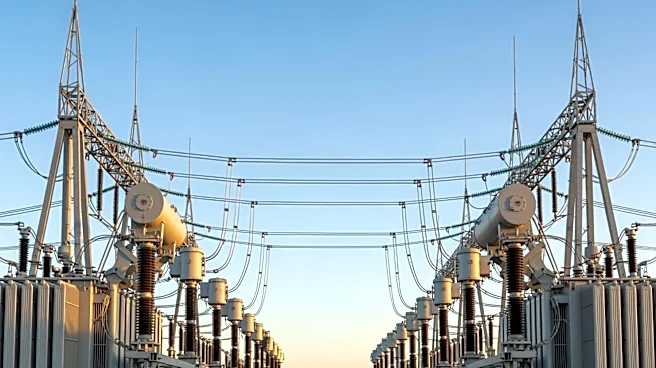
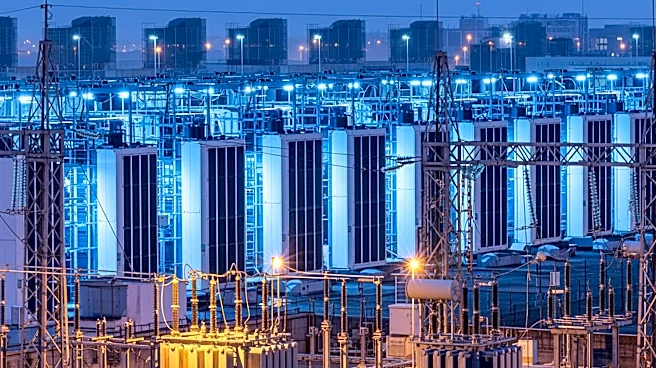
The U.S. power sector is undergoing significant changes as it attempts to expand its generation capacity to meet increasing demand. This expansion is occurring in a challenging environment characterized
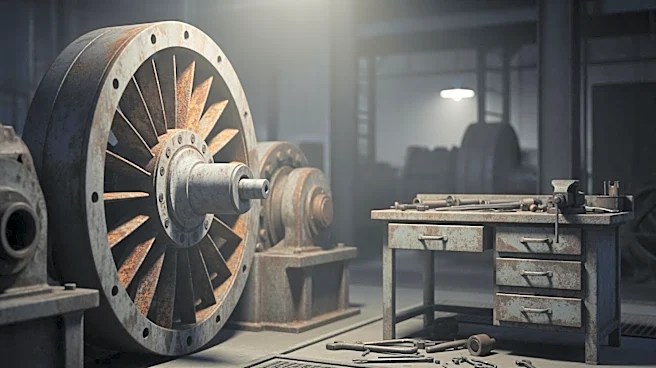
by aging infrastructure, a shrinking and aging workforce, and the need for rapid technological adoption. Industry experts have highlighted the importance of preventive maintenance as a critical function to ensure reliability and efficiency. The sector is facing a labor shortage, with many experienced workers nearing retirement, and a supply chain that is under stress. To address these challenges, companies are focusing on standardization and leveraging artificial intelligence (AI) to enhance maintenance practices. AI is being used to capture the knowledge of retiring workers and improve maintenance efficiency, although trust in AI systems remains a barrier to fully autonomous operations.
Why It's Important?
The developments in the power sector have significant implications for the U.S. economy and energy security. As the demand for electricity grows, driven by factors such as data centers and AI applications, the ability to maintain and expand power generation capacity is crucial. The aging workforce and infrastructure pose risks to the reliability of the power supply, which could impact industries and consumers alike. The adoption of AI and other technologies offers a potential solution to these challenges, but the transition requires careful management to ensure safety and reliability. The power sector's ability to adapt to these changes will influence the broader energy landscape and the country's ability to meet its climate and energy goals.
What's Next?
The power sector is expected to continue its focus on standardization and the integration of AI into maintenance practices. As more workers retire, companies will need to accelerate the adoption of technology to capture and retain critical knowledge. The sector may also see increased collaboration with technology providers to develop solutions that address the unique challenges of power generation. Policymakers and industry leaders will likely need to address workforce development and training to ensure a pipeline of skilled workers. The ongoing evolution of the power sector will require balancing technological innovation with the need for reliability and safety.
Beyond the Headlines
The shift towards AI-enhanced maintenance in the power sector raises ethical and operational questions about the role of human expertise versus machine intelligence. As AI systems become more integrated into operations, there is a need to ensure that these technologies are used responsibly and that human oversight remains a priority. The transition also highlights the importance of investing in workforce development to equip the next generation of workers with the skills needed to operate in a technologically advanced environment. The power sector's experience may serve as a model for other industries facing similar challenges with aging infrastructure and workforce shortages.