







What's Happening?
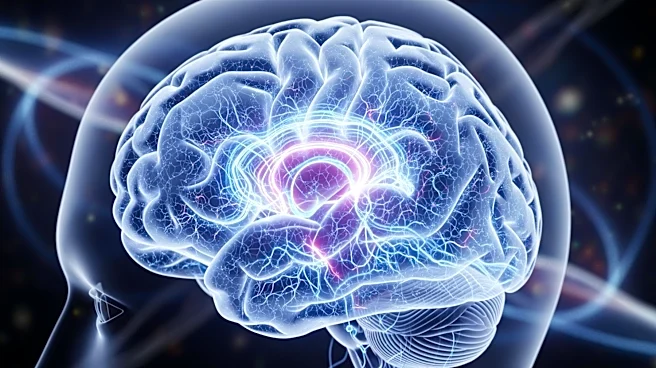
Dr. Baibing Chen, a neurologist known as Dr. Bing, has emphasized the cognitive benefits of active engagement with music. According to Dr. Chen, activities such as learning an instrument, singing, or dancing can significantly enhance brain connectivity
and neural plasticity. This assertion is based on neuroscience findings that show active participation in music lights up multiple brain networks simultaneously, thereby strengthening them. Dr. Chen contrasts this with passive listening, which does not yield the same cognitive benefits. His insights are supported by a study published in the Neuroimage: Reports journal, which found that musical training can increase grey matter volume and improve working memory in older adults.
Why It's Important?
The findings underscore the potential of music as a tool for cognitive enhancement and mental health improvement. Engaging actively with music could serve as a preventive measure against cognitive decline, particularly in aging populations. This has implications for public health strategies aimed at promoting mental well-being and cognitive resilience. By encouraging musical activities, individuals and communities can potentially reduce the risk of dementia and other cognitive impairments. The research highlights the importance of integrating arts and music into educational and therapeutic programs to foster brain health.
What's Next?
Further research could explore the specific mechanisms by which musical engagement affects brain structure and function. Additionally, public health initiatives might consider incorporating music-based activities into programs for older adults to enhance cognitive health. Educational institutions could also integrate music training into curricula to support cognitive development from an early age. As awareness of these benefits grows, there may be increased demand for music education and therapy services.
Beyond the Headlines
The emphasis on active music engagement raises questions about accessibility and inclusivity in music education. Ensuring that diverse populations have access to musical training could be crucial in maximizing the cognitive benefits across different socio-economic groups. Moreover, the cultural significance of music as a universal language could play a role in fostering community and social connections, further enhancing mental health outcomes.