
What's Happening?
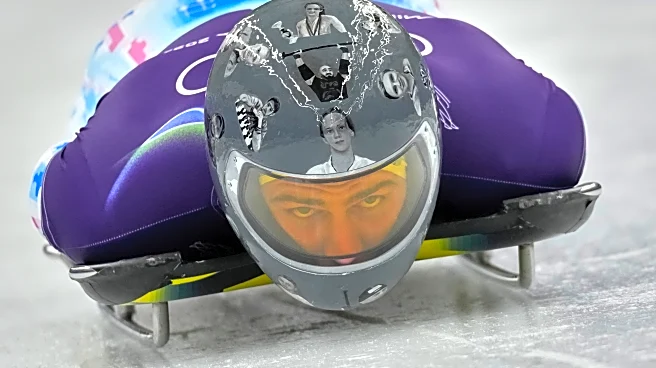
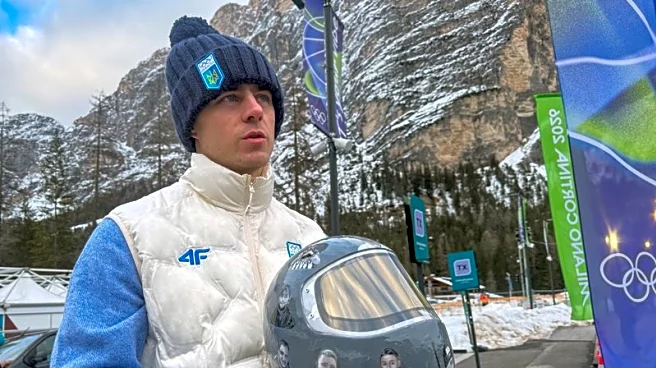
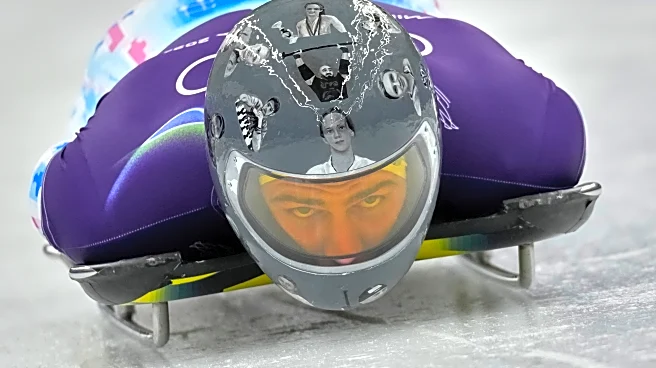
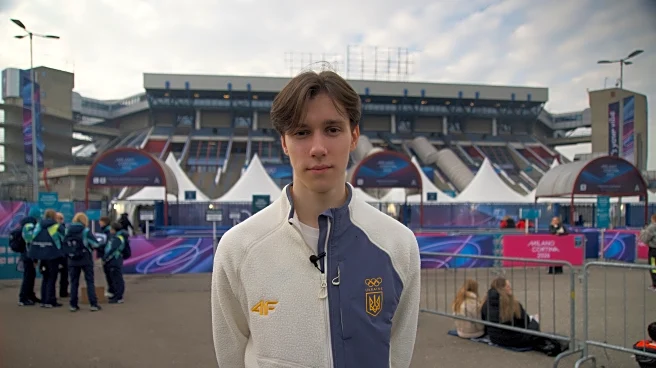
Ukrainian skeleton racer Vladyslav Heraskevych has announced his intention to defy an International Olympic Committee (IOC) ban by wearing a helmet that honors Ukrainian athletes killed in the war with Russia. Despite the IOC's ruling that the helmet violates Rule 50, which prohibits political statements, Heraskevych plans to wear it during competition at the Milan Cortina Games. The helmet features images of 24 deceased Ukrainian athletes. Heraskevych has received support from fellow athletes and Ukrainian political leaders, including President Volodymyr Zelenskyy, who praised his efforts to highlight the human cost of the conflict.
Why It's Important?
Heraskevych's defiance of the IOC's ban highlights the ongoing struggle between athletes' rights to express personal
and national sentiments and the IOC's commitment to maintaining the apolitical nature of the Olympics. This situation underscores the broader debate about the role of sports in addressing global issues and the extent to which athletes can use their platforms to advocate for social and political causes. The support Heraskevych has received from Ukrainian leaders and fellow athletes reflects the deep national significance of his actions and the symbolic power of sports in times of conflict.
What's Next?
The IOC may face increased scrutiny and pressure to revisit its policies on political expressions, particularly as global conflicts continue to impact athletes. Heraskevych's actions could inspire other athletes to advocate for greater freedom of expression within the Olympic movement. The broader Olympic community will likely engage in ongoing discussions about the role of sports in promoting peace and the balance between maintaining neutrality and allowing athletes to express their views.