



What's Happening?
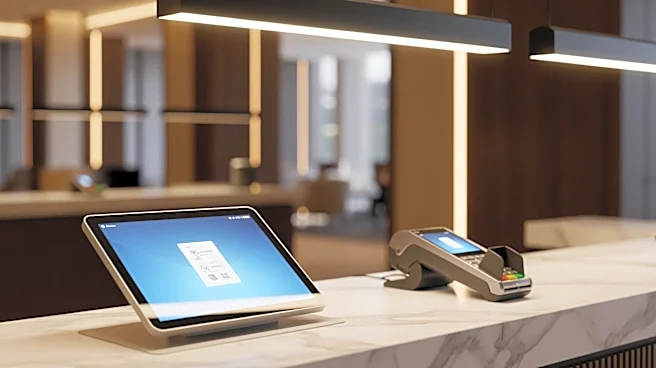
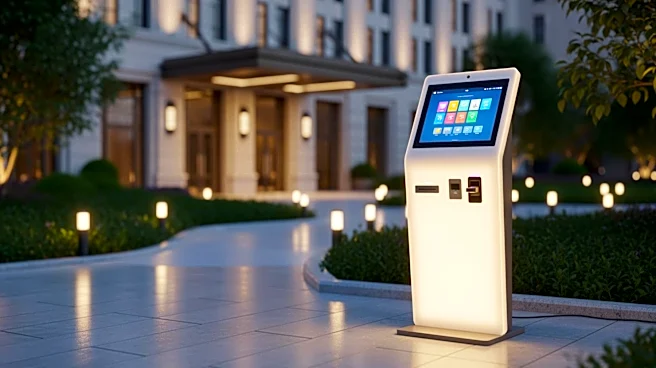
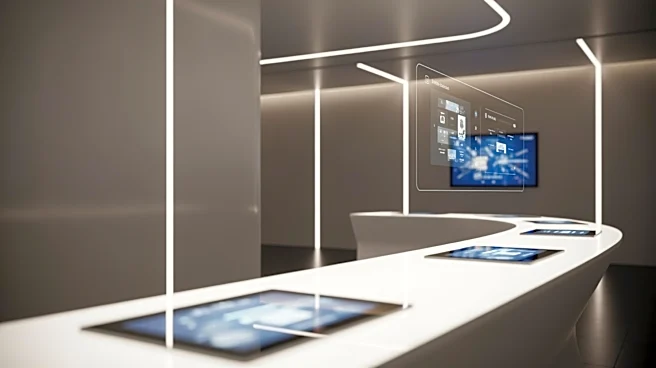
At the HT360 Hospitality Leaders Forum, experts discussed the inseparable relationship between hotel design and technology. Modern hospitality spaces are increasingly defined by their technological infrastructure, which is integrated from the earliest
design stages. This integration includes elements like Wi-Fi, lighting systems, and digital booking processes, which are crucial for creating seamless guest experiences. The forum highlighted that technology is no longer an afterthought but a fundamental part of hotel architecture. This shift is driven by the need for spaces to adapt to both physical and digital guest interactions, ensuring that hotels remain competitive and relevant in a rapidly evolving industry.
Why It's Important?
The integration of technology into hotel design is crucial for the hospitality industry's evolution. As guest expectations shift towards more digital interactions, hotels must adapt to provide seamless experiences that blend physical and digital elements. This trend impacts how hotels are designed, with technology influencing everything from room layouts to service delivery. The ability to offer frictionless experiences can enhance guest satisfaction and loyalty, directly affecting a hotel's reputation and profitability. Additionally, the integration of technology can optimize operational efficiency, reduce costs, and open new revenue streams, making it a strategic priority for hotel operators.
Beyond the Headlines
The merging of technology and hotel design raises important considerations for future-proofing hospitality spaces. As technology evolves faster than traditional design elements, hotels must plan for scalability and adaptability. This includes designing spaces that can accommodate future technological advancements without significant structural changes. The focus on technology also highlights the need for a balance between digital convenience and human interaction, ensuring that the essence of hospitality is not lost. As hotels continue to innovate, the industry may see new standards and best practices emerge, influencing how hospitality spaces are conceived and experienced globally.