




What's Happening?
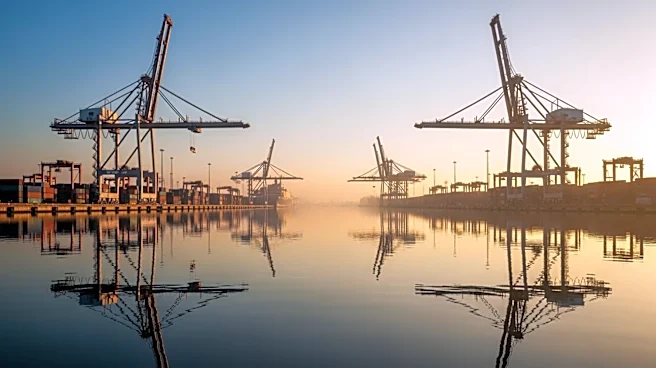
Gulf Coast ports, including those in Houston and New Orleans, are experiencing a surge in demand for skilled labor due to industry expansion. This growth has led to a critical need for workforce housing solutions to accommodate a mobile workforce. Traditional
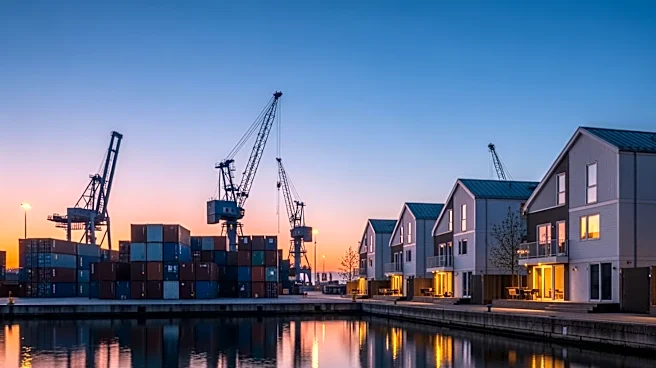
accommodations such as hotels are often inadequate due to their distance, cost, and inability to handle large crews on short notice. As a result, companies are turning to flexible housing solutions like modular units and mobile tiny home villages. These temporary housing options are designed to keep crews close to job sites, ensuring they are safe and ready to work. The need for such housing is driven by the rapid pace of port activity and the necessity to keep projects on schedule.
Why It's Important?
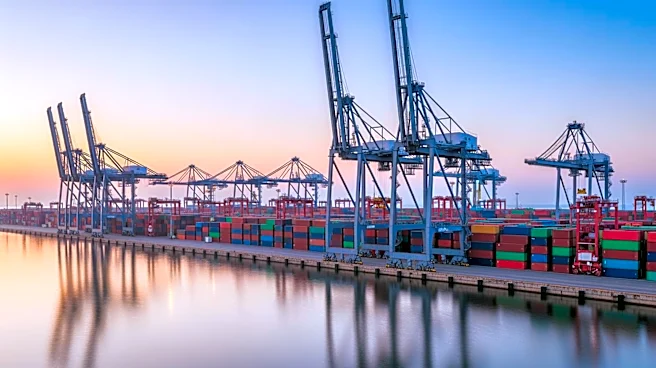
The expansion of Gulf Coast ports is a significant economic driver, impacting various industries such as maritime shipping, energy support operations, construction, and disaster response. The ability to provide adequate housing for a mobile workforce is crucial for maintaining productivity and controlling costs. By reducing commute times and improving worker readiness, these housing solutions contribute to the efficiency of port operations. The success of these initiatives can influence the broader economic landscape by supporting the growth of industries that rely on the ports, thereby enhancing regional economic stability and job creation.
What's Next?
As port activities continue to grow, the demand for flexible and rapidly deployable housing solutions is expected to increase. Companies may need to invest further in innovative housing strategies to keep pace with workforce needs. Additionally, there may be opportunities for collaboration between local governments and private enterprises to develop infrastructure that supports these housing solutions. Monitoring the effectiveness of current housing strategies will be essential in adapting to future demands and ensuring the continued success of Gulf Coast port operations.