


What's Happening?
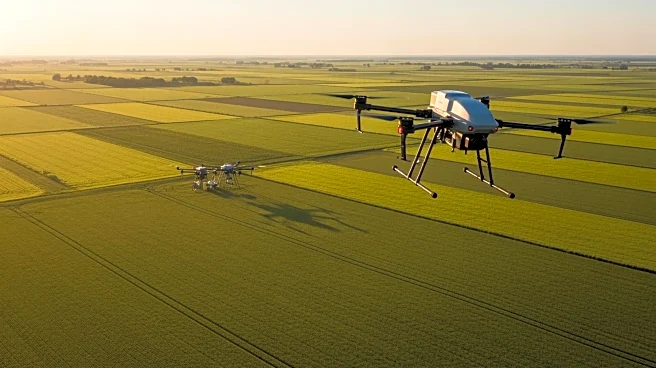
The agricultural machinery market is projected to reach USD 206.93 billion by 2031, driven by trends in mechanization and precision farming. AGCO Corporation, a key player in this market, focuses on precision farming solutions and regional partnerships.
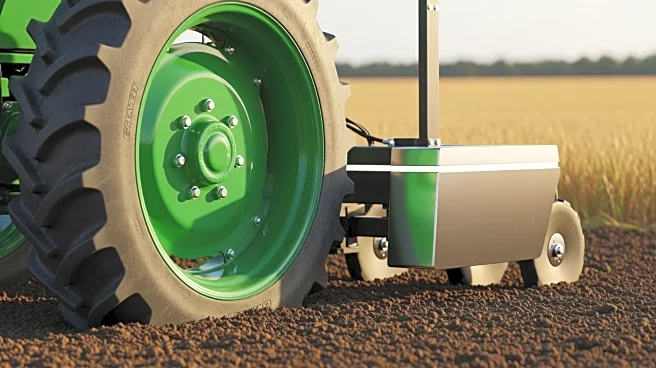
The market is expanding due to labor shortages, the adoption of precision agriculture, and government incentives for farm mechanization. Modern machinery now integrates advanced technologies like sensors and GPS to enhance farming efficiency. The market includes a variety of equipment such as tractors, harvesting machinery, and irrigation solutions, with tractors remaining dominant. The integration of AI and telemetry in machinery is reshaping the industry, making advanced equipment more accessible to farmers.
Why It's Important?
The growth of the agricultural machinery market is significant for the U.S. economy and global food production. As labor shortages persist, mechanization becomes essential for maintaining crop yields. Precision farming technologies improve resource management and productivity, which are crucial for sustainable agriculture. Government incentives further encourage the adoption of modern machinery, supporting the agricultural sector's modernization. Companies like AGCO are at the forefront of this transformation, influencing future trends and market dynamics. The expansion of this market supports economic growth, job creation, and technological innovation in the agricultural sector.
What's Next?
The agricultural machinery market is expected to continue its growth trajectory, with further advancements in technology and increased government support. Companies will likely invest more in AI and data-driven solutions to enhance machinery efficiency and sustainability. Farmers may increasingly adopt precision farming practices, supported by favorable financing options and government subsidies. The focus on climate-smart equipment and sustainable practices will likely intensify, aligning with global environmental goals. As the market evolves, stakeholders will need to adapt to new technologies and business models to remain competitive.