







What's Happening?
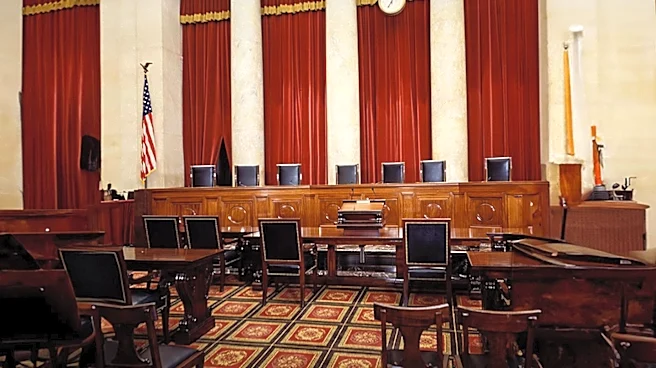
The Supreme Court has unanimously ruled in favor of Hikma Pharmaceuticals, a generic drugmaker, in a case concerning 'skinny labeling.' This decision overturns a previous lower court ruling that had sided with Amarin, a brand-name drug company. The case centered
on whether Hikma's marketing practices infringed on Amarin's patents. 'Skinny labeling' allows generic drug companies to seek regulatory approval to market a drug for specific uses that are not covered by existing patents, thereby avoiding patent infringement lawsuits. This practice is crucial for generic manufacturers as it enables them to produce and sell lower-cost versions of brand-name drugs without infringing on patents for other uses of the drug.
Why It's Important?
This ruling is significant as it supports the ability of generic drugmakers to produce more affordable versions of brand-name drugs, potentially leading to lower prescription drug prices. By allowing 'skinny labeling,' the decision encourages competition in the pharmaceutical market, which can drive down costs for consumers. The ruling also provides legal clarity and protection for generic manufacturers, reducing the risk of costly patent infringement lawsuits. This could lead to increased availability of generic drugs, benefiting patients who rely on more affordable medication options.
What's Next?
Following this decision, generic drugmakers may feel more confident in pursuing 'skinny labeling' strategies, potentially leading to an increase in the number of generic drugs available on the market. Brand-name drug companies might respond by seeking new strategies to protect their patents and market share. Regulatory bodies and lawmakers may also consider further clarifications or adjustments to patent laws to balance innovation incentives with the need for affordable healthcare.
Beyond the Headlines
The ruling highlights ongoing tensions between brand-name and generic drug manufacturers over patent rights and drug pricing. It underscores the importance of patent law in the pharmaceutical industry and its impact on drug affordability and accessibility. The decision may also influence future legislative and judicial actions regarding patent protections and healthcare costs, as stakeholders continue to navigate the complex landscape of drug pricing and patent law.