







What's Happening?
The U.S. National Oceanic and Atmospheric Administration (NOAA) has approved an expanded exploration permit for TMC The Metals Company, allowing the company to explore an additional 122,000 square kilometers of the Pacific seabed. This expansion builds
on a previous permit covering 65,000 square kilometers. TMC aims to extract polymetallic nodules rich in critical minerals such as nickel, cobalt, copper, and rare earth elements, which are essential for electric vehicles and defense technologies. The approval marks a significant step for TMC, although the company has yet to generate revenue and faces environmental scrutiny. NOAA will conduct an Environmental Impact Statement to assess the potential ecological effects of the exploration activities.
Why It's Important?
The approval is a strategic move to reduce U.S. dependence on foreign sources of critical minerals, particularly from China, which dominates the global rare earth market. The exploration could bolster domestic supply chains for essential industries, including electric vehicles and defense. However, the environmental impact of deep-sea mining is a major concern, with potential risks to marine biodiversity. The project faces opposition from environmental groups and scrutiny over the use of NOAA for authorization, as international waters are typically regulated by the United Nations-backed International Seabed Authority.
What's Next?
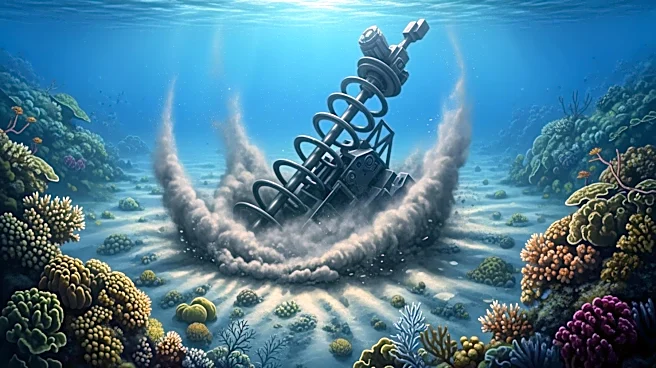
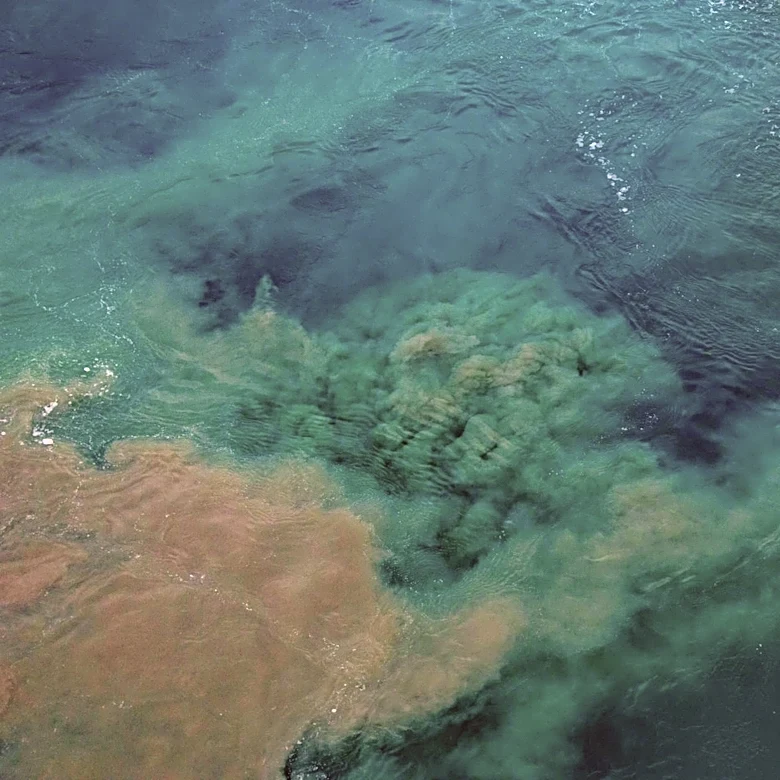
TMC must navigate significant challenges before commencing mining operations. The Environmental Impact Statement will involve public consultations and rigorous reviews, focusing on potential sediment plumes, benthic toxicity, and biodiversity loss. The company also needs to address commercial viability concerns, as the costs of large-scale collection and processing of nodules remain uncertain. Investors are advised to remain cautious until regulatory and environmental hurdles are cleared.