






What's Happening?
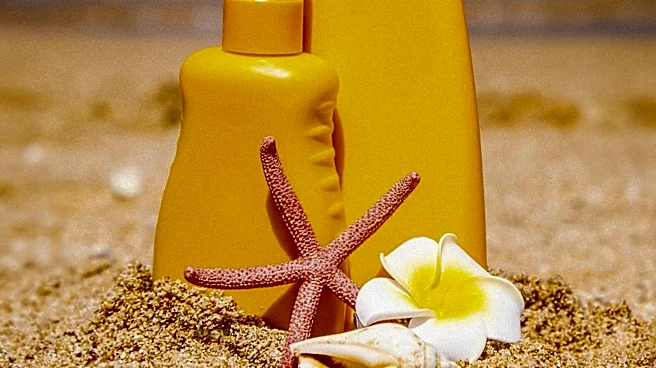
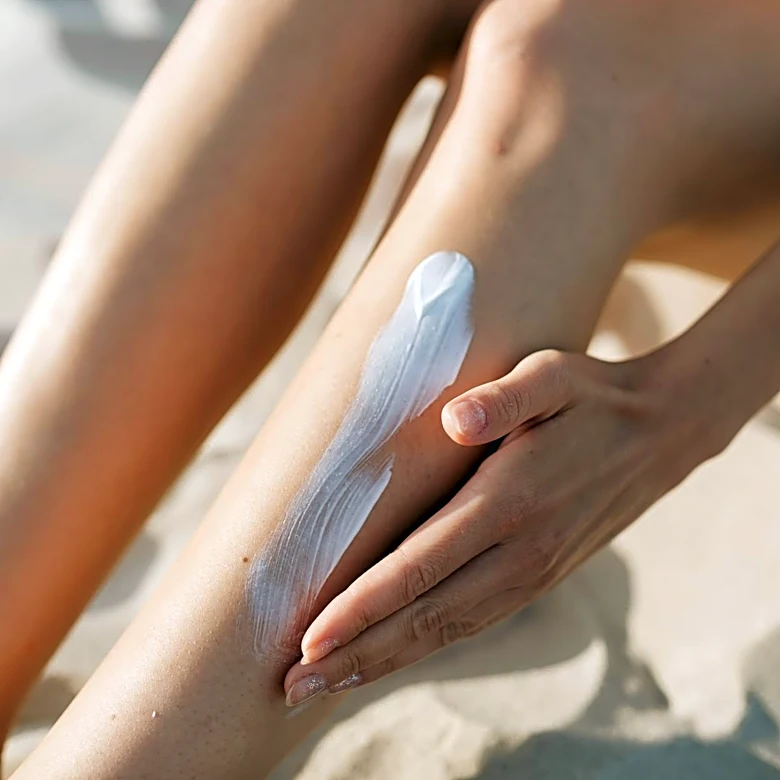
Sunless tanning products have gained popularity as a safer alternative to traditional tanning methods, which involve exposure to ultraviolet (UV) radiation. These products, which can produce a realistic tan without the risks associated with UV exposure,
are expected to see a significant increase in sales in the United States, with revenues projected to rise by about 44% between 2021 and 2030. Despite their popularity, there is limited research on the safety of these products. Dermatologists like Dr. Whitney Bowe and Dr. Henry Lim emphasize that while sunless tanners are generally considered safe, they have not been rigorously tested in humans. The active ingredient in most sunless tanners, dihydroxyacetone (DHA), is approved by the Food and Drug Administration as a cosmetic color additive. However, some laboratory studies suggest that DHA can produce free radicals, which are associated with cellular damage, though these studies used higher concentrations than those found in consumer products.
Why It's Important?
The increasing use of sunless tanning products highlights a shift in consumer behavior towards safer skincare practices. This trend is significant as it reflects a growing awareness of the dangers of UV exposure, which is a major risk factor for skin cancer. The popularity of these products also underscores the need for more comprehensive safety studies to ensure consumer protection. Dermatologists recommend using sunless tanners as a safer alternative to UV tanning, but they also advise continued use of sunscreen and other sun protection measures. The potential health implications of long-term use of sunless tanners remain unclear, making it crucial for consumers to be informed about the products they use.
What's Next?
As the market for sunless tanning products expands, there may be increased pressure on regulatory bodies to conduct more thorough safety evaluations. This could lead to stricter guidelines and more detailed labeling requirements for these products. Additionally, the skincare industry might see a rise in the development of new formulations that address current safety concerns, such as reducing the potential for free radical production. Consumers are likely to continue seeking products that offer both aesthetic benefits and safety assurances, driving innovation in the sunless tanning market.
Beyond the Headlines
The cultural implications of sunless tanning products are also worth noting. The desire for tanned skin reflects broader societal beauty standards, which can influence consumer behavior and product development. As awareness of skin health increases, there may be a shift towards embracing natural skin tones and reducing the emphasis on tanning altogether. This could lead to a broader conversation about beauty standards and their impact on health and well-being.